Category: featured

  • Pain and Chronic Health Conditions Are Significant Factors For Mental Wellness

    Pain and Chronic Health Conditions Are Significant Factors For Mental Wellness

    Chronic pain and long-term health conditions can significantly impact an individual’s mental health, emotional well-being, and overall quality of life. Conditions such as fibromyalgia, diabetes, autoimmune disorders, migraines, arthritis, chronic fatigue syndrome, and neurological illnesses often affect more than physical functioning. Persistent pain can contribute to depression, anxiety, trauma responses, social isolation, sleep disturbances, and emotional exhaustion. For BIPOC, neurodivergent, LGBTQI+, serious mental illness (SMI), and rural communities, the emotional burden of chronic illness may be intensified by healthcare disparities, discrimination, stigma, and reduced access to culturally responsive care.
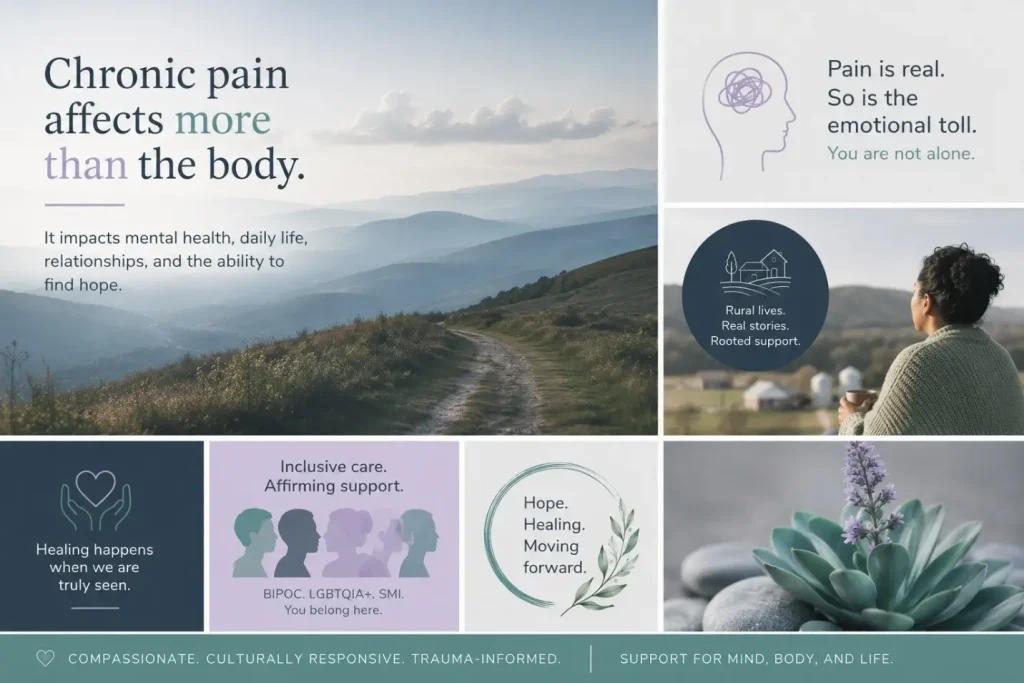
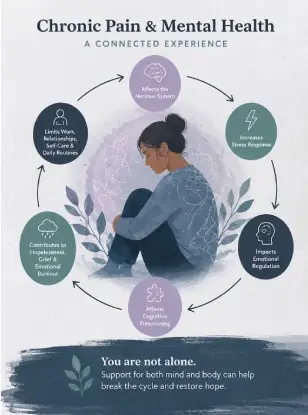
    Research consistently demonstrates a strong relationship between chronic pain and mental health disorders. According to Bair et al. (2003), individuals living with chronic pain are significantly more likely to experience depression and anxiety, with each condition often worsening the other. Chronic pain affects the nervous system, stress response, emotional regulation, and cognitive functioning, making it difficult for individuals to engage fully in work, relationships, self-care, and daily routines. Over time, repeated medical stress, uncertainty, and functional limitations can create feelings of hopelessness, grief, and emotional burnout.

    For marginalized populations, these experiences may be compounded by systemic barriers within healthcare systems. BIPOC individuals often report disparities in pain assessment and treatment, including undertreatment of pain and dismissal of symptoms. LGBTQI+ individuals may avoid medical care due to prior experiences of discrimination or identity invalidation. Neurodivergent individuals may struggle with sensory processing issues, communication differences, or difficulties navigating healthcare systems. Rural communities frequently face limited access to pain specialists, transportation challenges, and shortages of integrated behavioral healthcare services.

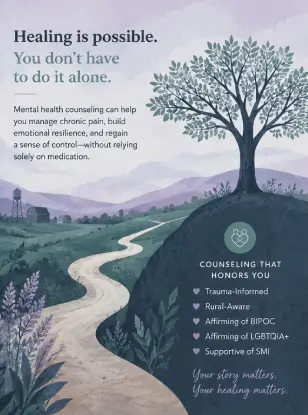
    Mental health counseling can play an essential role in helping individuals manage chronic pain and improve emotional resilience without relying solely on medication. Trauma-informed therapy recognizes that chronic pain is both a physical and emotional experience. Research supports the effectiveness of psychological interventions such as Cognitive Behavioral Therapy (CBT), mindfulness-based stress reduction, Acceptance and Commitment Therapy (ACT), and somatic approaches in reducing pain-related distress and improving daily functioning (Ehde et al., 2014).
    For example, CBT can help individuals identify negative thought patterns related to pain, such as catastrophizing or hopelessness, and replace them with healthier coping strategies. Mindfulness practices may assist clients in calming the nervous system, improving emotional regulation, and reducing stress-related pain flare-ups. Somatic and body-based interventions can help clients reconnect safely with their bodies after experiences of trauma, chronic illness, or medical invalidation. Counseling may also provide space for grief processing, identity adjustment, boundary-setting, and developing self-compassion.
    Studies examining integrated pain management approaches demonstrate promising outcomes. A meta-analysis by Veehof et al. (2016) found that acceptance and mindfulness-based interventions significantly improved psychological flexibility, emotional functioning, and quality of life among individuals with chronic pain conditions. Similarly, interdisciplinary treatment models that combine behavioral health, medical care, and social support have shown improved outcomes for individuals living with persistent pain and chronic illness.

    Non-medication pain management strategies supported through therapy may include stress reduction techniques, grounding exercises, pacing activities to prevent burnout, improving sleep hygiene, relaxation training, movement-based coping strategies, and strengthening social support systems. Counseling can also help individuals advocate for themselves within healthcare settings and address the emotional effects of chronic illness stigma or invalidation. Healing from chronic pain requires a whole person approach that addresses emotional health alongside physical symptoms. Individuals deserve compassionate, culturally responsive care that validates both their pain and their resilience while supporting sustainable coping strategies beyond medication alone.

  • Mental Health and SDOH: We Are A Collection Of Parts Existing In Our Environments

    Mental Health and SDOH: We Are A Collection Of Parts Existing In Our Environments

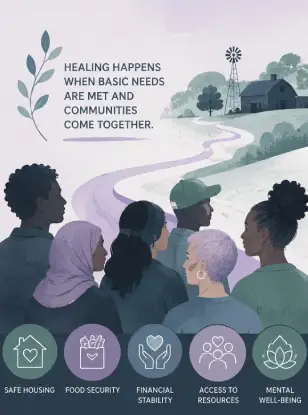
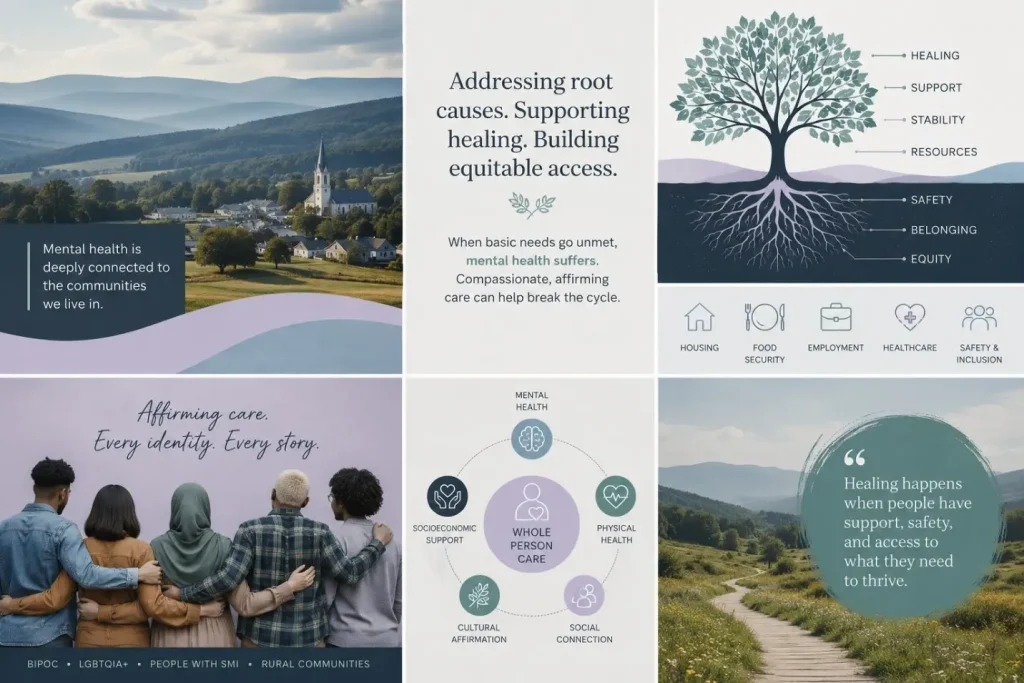
    Mental health does not exist in isolation from a person’s environment, relationships, finances, identity, or access to resources. Social Determinants of Health (SDOH) the non-medical conditions in which people are born, grow, work, live, and age play a critical role in emotional well-being and psychological functioning. When basic needs such as housing, food security, transportation, healthcare access, employment, safety, and social support remain unmet, individuals are at significantly greater risk for depression, anxiety, trauma-related disorders, substance use disorders, and serious mental illness (SMI). For BIPOC, neurodivergent, LGBTQI+, and rural communities, these disparities are often intensified by systemic inequities, discrimination, and barriers to culturally responsive care.

    Research consistently demonstrates a strong connection between unmet SDOH needs and poor mental health outcomes. According to Compton and Shim (2015), social and economic inequality contribute directly to increased psychiatric distress and reduced access to effective mental health treatment. Individuals experiencing housing instability, poverty, unemployment, or chronic discrimination are more likely to experience persistent psychological stress that can negatively affect emotional regulation, physical health, and interpersonal functioning. Chronic stress exposure may also increase the risk of trauma responses, burnout, and suicidal ideation.

    A whole-person perspective in mental health treatment recognizes that symptoms often emerge in response to overwhelming life conditions rather than solely individual pathology. Trauma-informed therapy shifts the question from “What is wrong with you?” to “What happened to you, and what barriers are impacting your well-being?” This framework is especially important for marginalized populations who frequently experience systemic oppression alongside mental health challenges. BIPOC individuals may encounter racial trauma, healthcare discrimination, and generational stress. LGBTQI+ individuals often face rejection, identity-based violence, or social isolation. Neurodivergent individuals may struggle with inaccessible educational or workplace environments, while rural communities frequently encounter limited healthcare resources and increased stigma surrounding mental health treatment.

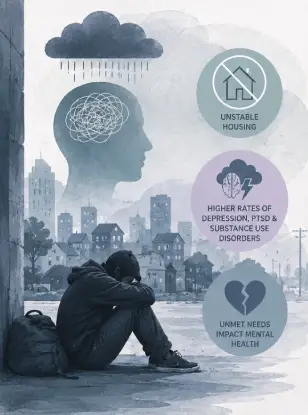
    Specific case examples further illustrate the impact of unmet social needs on mental health. Research examining homelessness and psychiatric disorders found that individuals lacking stable housing experienced significantly higher rates of depression, PTSD, and substance use disorders than housed populations (Folsom et al., 2005). Similarly, studies involving food insecurity demonstrate increased rates of anxiety and emotional distress among both adults and adolescents experiencing chronic economic hardship (Arenas et al., 2019). These findings highlight that therapy alone cannot fully address mental health symptoms when individuals continue to face unsafe living conditions, financial instability, or lack of access to basic resources.

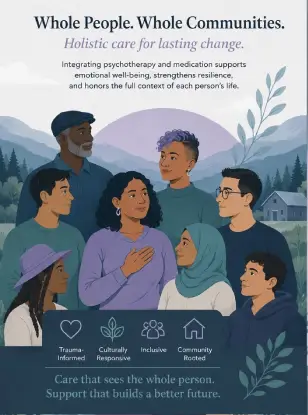
    Whole-person mental health care integrates emotional support with advocacy, resource coordination, community connection, and culturally responsive interventions. Therapists practicing from a trauma informed lens often collaborate with medical providers, schools, housing agencies, and social service organizations to support sustainable healing. This integrative approach recognizes that wellness includes physical safety, stable relationships, economic security, affirming environments, and access to compassionate care.

    Peer reviewed research also shows that culturally responsive and community centered care improves engagement and treatment outcomes for marginalized populations (Alegría et al., 2016). When clients feel understood within the context of their lived experiences, they are more likely to remain connected to treatment and experience meaningful progress. Mental health healing requires more than symptom management; it requires addressing the environmental, relational, and systemic conditions affecting emotional well-being.

    A whole-person perspective honors the reality that mental health is deeply interconnected with social conditions, identity, trauma history, and access to support. Healing becomes more effective when therapy acknowledges the full complexity of a person’s life rather than focusing only on diagnosis or symptom reduction.

  • Artificial Intelligence and Mental Health: Imitation is the lowest form of flattery in Mental Health

    Artificial Intelligence and Mental Health: Imitation is the lowest form of flattery in Mental Health

    Artificial intelligence (AI) is rapidly transforming healthcare, including the mental health field. AI-powered chatbots, virtual therapy apps, and automated emotional support platforms are increasingly marketed as convenient mental health tools. While these technologies may offer temporary support, reminders, psychoeducation, or coping suggestions, mental health experts and AI industry leaders consistently warn that artificial intelligence should never replace trained and licensed mental health professionals. For individuals navigating trauma, serious mental illness (SMI), identity-based stress, or systemic oppression, relying solely on AI for emotional care may create significant risks, especially for BIPOC, neurodivergent, LGBTQI+, and rural communities already facing disparities in healthcare access.

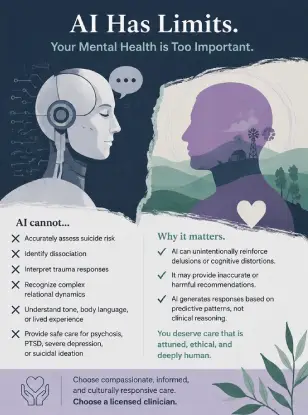
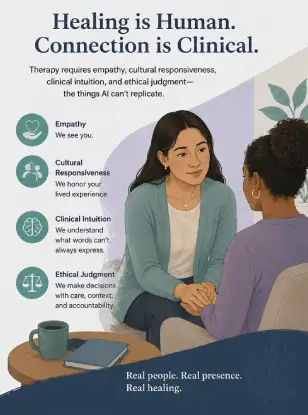
    Research indicates that AI lacks the human empathy, cultural responsiveness, ethical judgment, and clinical intuition necessary for safe therapeutic care. Unlike licensed clinicians, AI systems cannot accurately assess suicide risk, identify dissociation, interpret trauma responses, or recognize complex relational dynamics. Mental health treatment requires attunement to tone, body language, lived experience, and contextual factors that machines cannot fully understand (Luxton, 2014). Trauma informed therapy depends on trust, emotional safety, and relational healing, all of which emerge through authentic human connection rather than algorithmic interaction.

    Several case studies and public incidents have raised concerns regarding the misuse of AI as a substitute for therapy. In 2023, reports emerged of individuals experiencing worsening emotional distress after interacting with AI chatbots that provided misleading or harmful responses related to mental health crises. Mental health researchers have warned that AI systems can unintentionally reinforce delusions, validate cognitive distortions, or provide inaccurate recommendations because these systems generate responses based on predictive language patterns rather than clinical reasoning (Miner et al., 2020). This can be especially dangerous for individuals living with psychosis, severe depression, PTSD, or suicidal ideation.

    Even leaders within the AI industry acknowledge these limitations. Executives and developers connected to major artificial intelligence platforms have repeatedly stated that AI tools are not replacements for licensed therapists, psychiatrists, or crisis professionals. Companies developing conversational AI often include disclaimers advising users to seek qualified mental health care during emotional crises or when experiencing persistent symptoms. These warnings reflect growing ethical concerns about overreliance on technology for psychological support.

    For marginalized populations, the dangers may be amplified. BIPOC and LGBTQI+ individuals frequently navigate racism, discrimination, religious trauma, and identity-based stressors that require culturally informed therapeutic interventions. Neurodivergent individuals may need nuanced support related to sensory regulation, masking, executive functioning, or communication styles that AI cannot appropriately tailor to lived experiences. Rural communities also face unique challenges involving isolation, healthcare shortages, and stigma, making access to authentic human support even more essential.

    Peer-reviewed research further emphasizes that therapeutic alliance the trusting relationship between therapist and client is one of the strongest predictors of successful treatment outcomes (Flückiger et al., 2018). AI cannot replicate the emotional reciprocity, accountability, or relational repair that occur within psychotherapy. While digital tools may complement treatment through symptom tracking or psychoeducation, they should function only as supplemental supports under the guidance of qualified clinicians.

    Mental health healing requires compassion, ethical responsibility, clinical expertise, and human connection. Artificial intelligence may provide convenience, but it cannot replace trauma-informed therapy delivered by trained professionals who understand the complexity of human suffering, resilience, culture, and identity. Individuals deserve mental health care grounded in safety, dignity, cultural humility, and evidence-based practice rather than dependence on automated systems.

  • Medication Only Mental Health: The Limits of Medication Only Approach to Long Term Mental Health Wellness

    Medication Only Mental Health: The Limits of Medication Only Approach to Long Term Mental Health Wellness

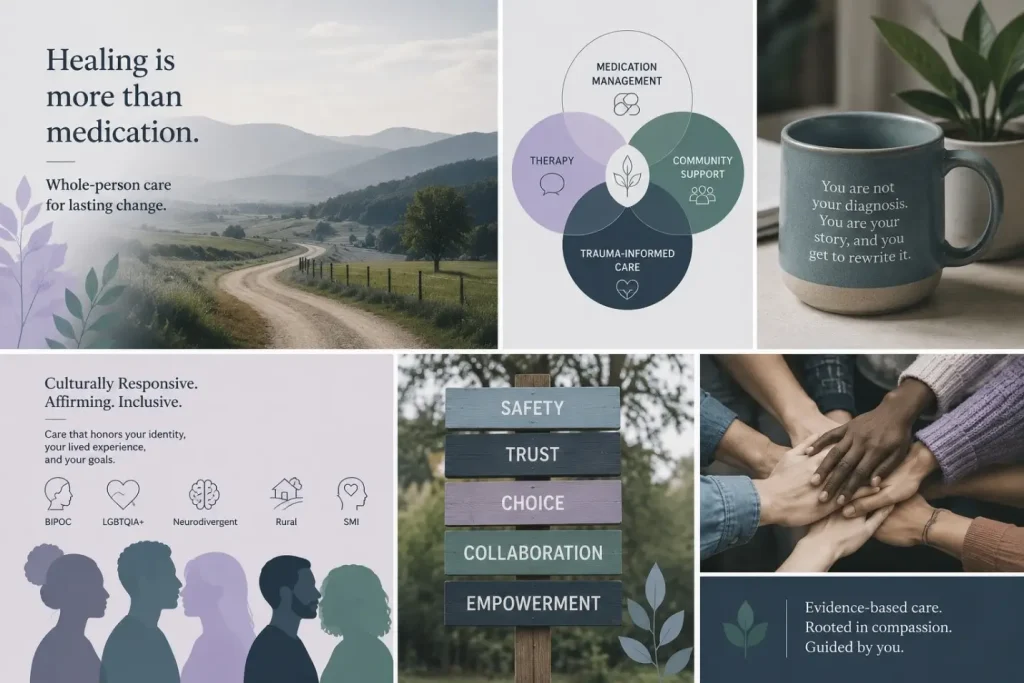
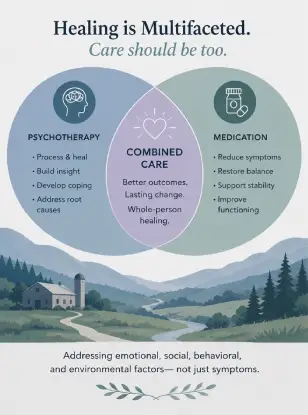
    Mental health disorders are complex, multifaceted conditions that often require more than medication alone for sustainable healing. While psychiatric medications can reduce symptoms of depression, anxiety, bipolar disorder, post-traumatic stress disorder (PTSD), and other serious mental illnesses (SMI), research consistently demonstrates that long term recovery outcomes improve when therapy, community support, and trauma-informed care are integrated into treatment plans. For BIPOC, neurodivergent, LGBTQI+, and rural communities, culturally responsive psychotherapy can be especially critical in addressing systemic barriers, chronic stress, discrimination, and untreated trauma.

    Research supports the effectiveness of combining psychotherapy with medication rather than relying solely on pharmacological interventions. A meta-analysis by Karyotaki et al. (2016) found that individuals receiving combined psychotherapy and medication treatment for major depression experienced better long-term outcomes than those receiving medication alone. Similarly, De Jonghe et al. (2018) reported that psychotherapy can be equally effective or more beneficial when integrated with medication management for depressive disorders. These findings reinforce the importance of holistic mental health care that addresses emotional, social, behavioral, and environmental factors rather than only symptom suppression.

    For individuals living with trauma, medication may reduce immediate symptoms such as insomnia, panic, or mood instability, but it does not always resolve the underlying psychological wounds connected to adverse life experiences. Trauma-informed therapy helps clients process experiences of racism, poverty, gender discrimination, family violence, religious trauma, or identity-based oppression. This approach is particularly important for LGBTQI+ individuals and BIPOC communities who may have experienced historical or systemic trauma within healthcare systems.

    Case studies involving integrated care models also demonstrate improved outcomes among individuals with co-occurring disorders. In one randomized clinical trial, patients with serious psychiatric illnesses who received integrated behavioral and medical care reported improved quality of life and greater treatment engagement compared to those receiving standard care alone (Druss et al., 2001). Likewise, research examining obsessive compulsive disorder showed significantly lower relapse rates among participants who combined psychotherapy with medication compared to medication only treatment (Biondi & Picardi, 2005).

    For neurodivergent individuals, including autistic adults and people with ADHD, therapy can provide tools for emotional regulation, sensory processing support, executive functioning, and identity affirmation that medication alone may not fully address. Rural communities also benefit from psychotherapy because barriers such as stigma, transportation limitations, and reduced access to mental health specialists can contribute to long-term isolation and untreated trauma. Telehealth and trauma-informed private practices help bridge these gaps by creating safer and more accessible pathways to care. Mental health recovery is not one-size-fits-all. Effective treatment often includes psychotherapy, medication management when appropriate, peer support, lifestyle interventions, and culturally affirming care. A trauma informed approach recognizes that symptoms frequently develop as adaptive responses to overwhelming experiences rather than personal failures. Healing occurs when individuals feel seen, validated, empowered, and supported in the context of their lived experiences.

Safe Exit

If you think someone is monitoring your devices, visit this website from a computer, tablet, or smartphone that isn’t being monitored.

Exit this website quickly with the ‘Safe Exit’ button in the upper right corner, and then delete it from your browser history.