Mental health does not exist in isolation from a person’s environment, relationships, finances, identity, or access to resources. Social Determinants of Health (SDOH) the non-medical conditions in which people are born, grow, work, live, and age play a critical role in emotional well-being and psychological functioning. When basic needs such as housing, food security, transportation, healthcare access, employment, safety, and social support remain unmet, individuals are at significantly greater risk for depression, anxiety, trauma-related disorders, substance use disorders, and serious mental illness (SMI). For BIPOC, neurodivergent, LGBTQI+, and rural communities, these disparities are often intensified by systemic inequities, discrimination, and barriers to culturally responsive care.
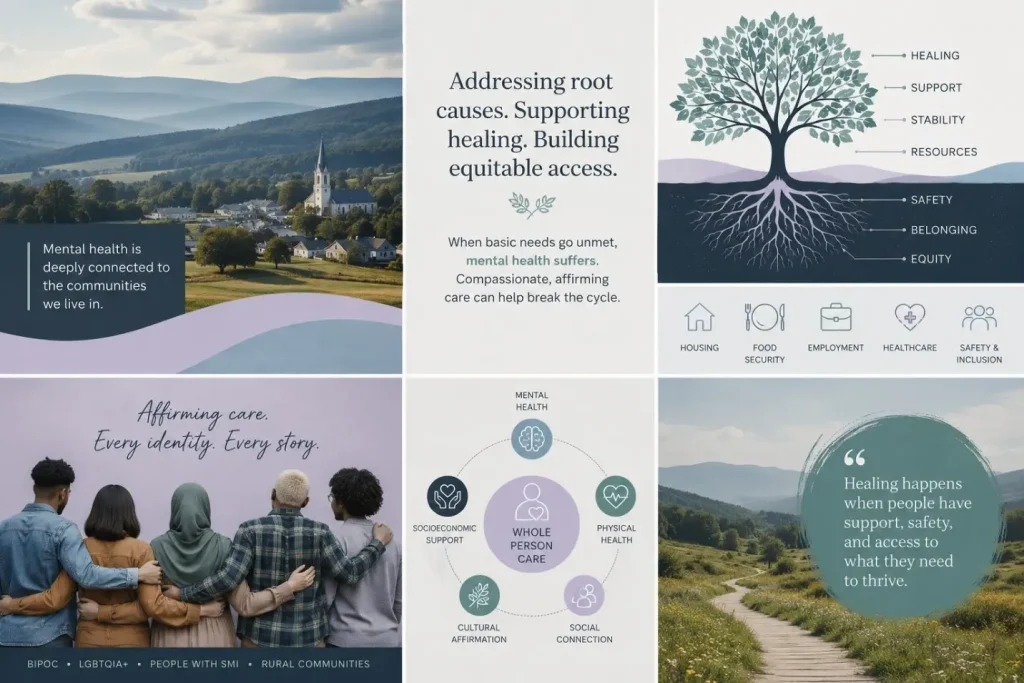
Research consistently demonstrates a strong connection between unmet SDOH needs and poor mental health outcomes. According to Compton and Shim (2015), social and economic inequality contribute directly to increased psychiatric distress and reduced access to effective mental health treatment. Individuals experiencing housing instability, poverty, unemployment, or chronic discrimination are more likely to experience persistent psychological stress that can negatively affect emotional regulation, physical health, and interpersonal functioning. Chronic stress exposure may also increase the risk of trauma responses, burnout, and suicidal ideation.
A whole-person perspective in mental health treatment recognizes that symptoms often emerge in response to overwhelming life conditions rather than solely individual pathology. Trauma-informed therapy shifts the question from “What is wrong with you?” to “What happened to you, and what barriers are impacting your well-being?” This framework is especially important for marginalized populations who frequently experience systemic oppression alongside mental health challenges. BIPOC individuals may encounter racial trauma, healthcare discrimination, and generational stress. LGBTQI+ individuals often face rejection, identity-based violence, or social isolation. Neurodivergent individuals may struggle with inaccessible educational or workplace environments, while rural communities frequently encounter limited healthcare resources and increased stigma surrounding mental health treatment.
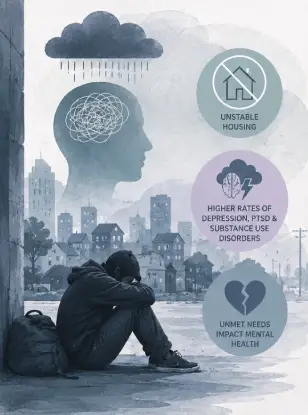
Specific case examples further illustrate the impact of unmet social needs on mental health. Research examining homelessness and psychiatric disorders found that individuals lacking stable housing experienced significantly higher rates of depression, PTSD, and substance use disorders than housed populations (Folsom et al., 2005). Similarly, studies involving food insecurity demonstrate increased rates of anxiety and emotional distress among both adults and adolescents experiencing chronic economic hardship (Arenas et al., 2019). These findings highlight that therapy alone cannot fully address mental health symptoms when individuals continue to face unsafe living conditions, financial instability, or lack of access to basic resources.
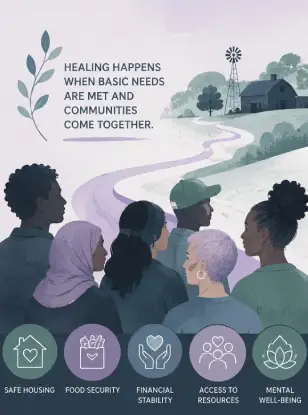
Whole-person mental health care integrates emotional support with advocacy, resource coordination, community connection, and culturally responsive interventions. Therapists practicing from a trauma informed lens often collaborate with medical providers, schools, housing agencies, and social service organizations to support sustainable healing. This integrative approach recognizes that wellness includes physical safety, stable relationships, economic security, affirming environments, and access to compassionate care.
Peer reviewed research also shows that culturally responsive and community centered care improves engagement and treatment outcomes for marginalized populations (Alegría et al., 2016). When clients feel understood within the context of their lived experiences, they are more likely to remain connected to treatment and experience meaningful progress. Mental health healing requires more than symptom management; it requires addressing the environmental, relational, and systemic conditions affecting emotional well-being.
A whole-person perspective honors the reality that mental health is deeply interconnected with social conditions, identity, trauma history, and access to support. Healing becomes more effective when therapy acknowledges the full complexity of a person’s life rather than focusing only on diagnosis or symptom reduction.