For generations, many men have been taught that emotional suppression is a sign of strength. Messages such as “man up,” “boys don’t cry,” and “handle it yourself” continue to shape how men experience vulnerability, relationships, stress, and mental health. While society often praises men for appearing stoic and emotionally controlled, research increasingly shows that rigid masculine expectations can negatively impact emotional wellbeing, relationship satisfaction, and overall quality of life (Mahalik et al., 2003).
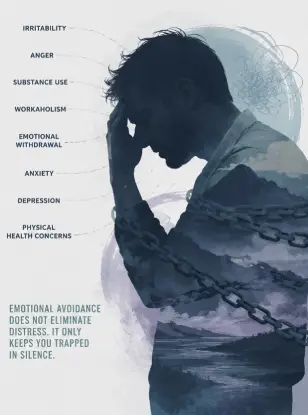
Many clients report feeling disconnected from themselves because they learned early in life that emotions were unsafe, shameful, or weak. Unfortunately, emotional avoidance does not eliminate distress. Instead, suppressed emotions often emerge through irritability, anger, substance use, workaholism, emotional withdrawal, anxiety, depression, or physical health concerns.
Men’s mental health is especially important within marginalized communities where cultural expectations, systemic oppression, and generational survival patterns can intensify pressure to remain emotionally silent (Seidler et al., 2016). For example, Black men may experience societal expectations to appear hyper-resilient in response to racism and discrimination. LGBTQI+ men may internalize messages that vulnerability threatens masculinity or safety. Men living in rural communities may face additional barriers due to stigma surrounding therapy, limited access to mental health resources, and cultural norms emphasizing independence and self-reliance.
Research demonstrates that restrictive emotionality is associated with poorer mental health outcomes, including depression, interpersonal difficulties, and lower help-seeking behaviors (Levant & Richmond, 2016). Men are also statistically less likely to seek therapy despite experiencing significant emotional distress. This silence can contribute to increased isolation and emotional burnout.
Trauma informed therapy helps men challenge the harmful belief that strength requires emotional suppression. Emotional awareness is not weakness; it is a critical component of psychological flexibility, healthy relationships, and nervous system regulation. Therapy provides a supportive environment where men can safely identify emotions, process trauma, strengthen communication skills, and redefine masculinity in healthier and more authentic ways.
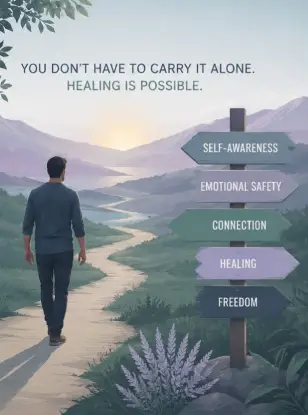
Consider the example of a Latino father raised in a household where emotional expression was discouraged and discipline was equated with toughness. Although deeply caring toward his family, he struggled to communicate affection and vulnerability with his children. Over time, emotional distance contributed to conflict and feelings of loneliness. In therapy, exploring cultural values around masculinity and intergenerational survival allowed him to develop healthier communication patterns without abandoning his cultural identity. He learned that emotional openness could coexist with strength, leadership, and responsibility.
Similarly, a rural gay man navigating anxiety and chronic stress may fear judgment if he discusses emotional struggles openly. Therapy can help create space to process identity-related stress while building self-compassion and emotional resilience. Healing often begins when men recognize that vulnerability is not failure it is a necessary part of human connection.
Improving men’s mental health requires shifting away from outdated stereotypes that equate masculinity with silence and emotional disconnection. Emotional wellbeing supports healthier relationships, improved self-esteem, stronger coping skills, and greater life satisfaction. Men deserve spaces where they can exist fully as human beings not just providers, protectors, or problem-solvers.
Seeking therapy is not a sign of weakness. It is an investment in emotional health, personal growth, and long-term wellbeing.
If you are struggling with emotional burnout, trauma, identity stress, or relationship difficulties, consider scheduling an appointment with therapist Krishana Overstreet at Mapping Resilience Therapy Center for trauma-informed, culturally responsive mental health support.