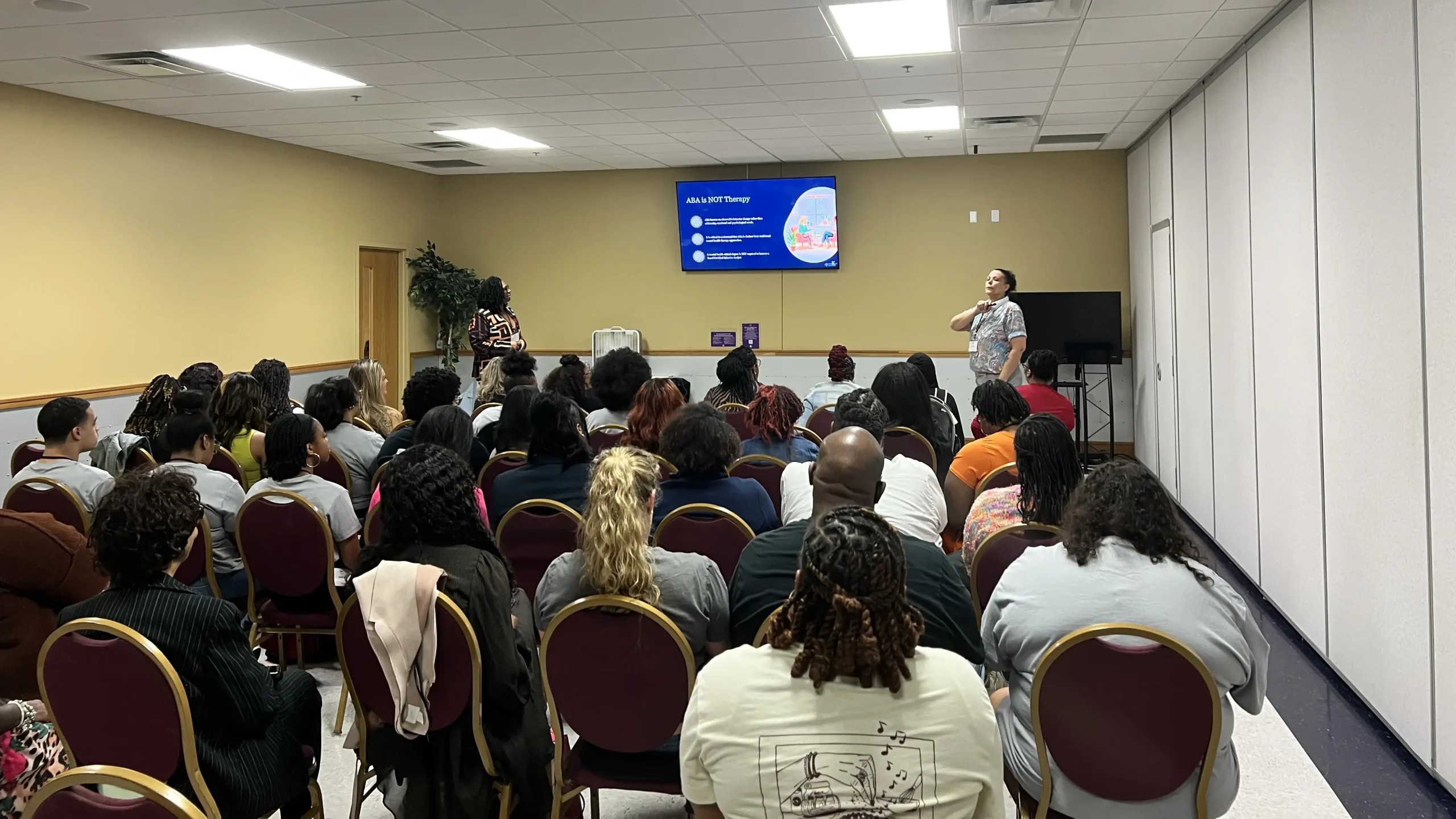
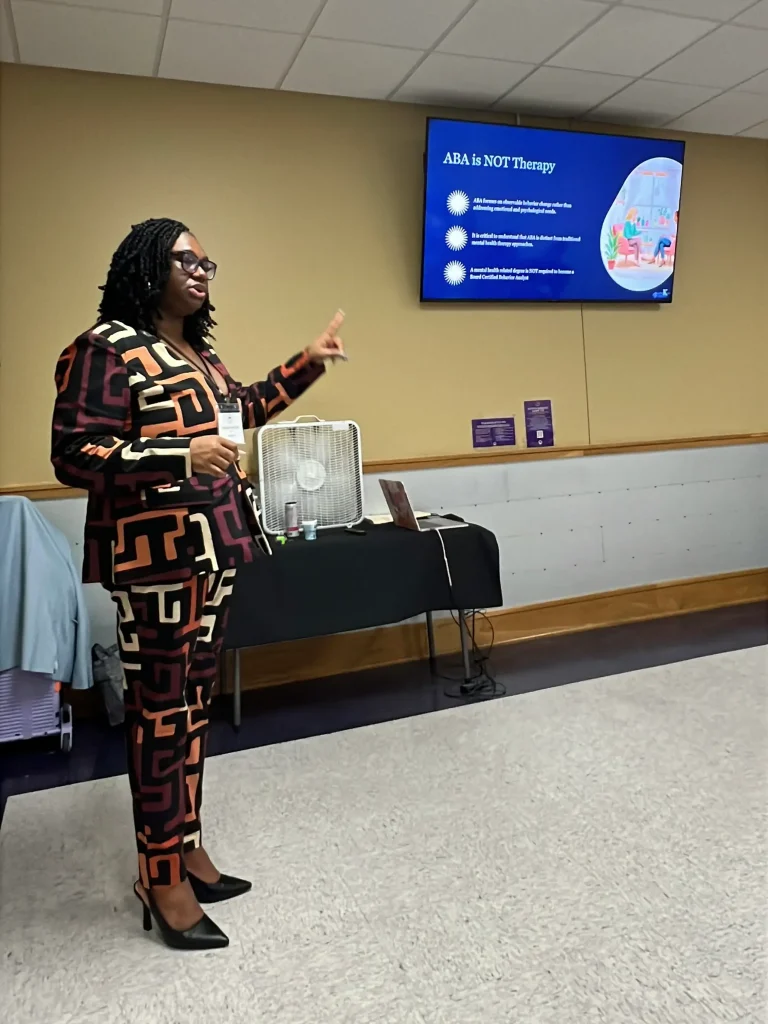
March marks a community education initiative led by therapist Krishana Overstreet, LCSW, at Mapping Resilience Therapy Center, focused on critically examining Applied Behavior Analysis (ABA) as an intervention commonly used with autistic individuals. From a trauma-informed and neurodivergent affirming lens, this conversation centers lived experience, ethical care standards, and the importance of supporting autistic people through dignity, autonomy, and holistic service coordination.
Autism Spectrum Disorder is a neurodevelopmental difference characterized by variations in communication, sensory processing, and social interaction. Research increasingly emphasizes the importance of affirming neurodiversity rather than attempting to normalize autistic behavior (Bottema-Beutel et al., 2021). While ABA is widely used, it remains a subject of significant debate within both clinical and autistic communities.
Lived Experience and Clinical Concerns
A growing body of autistic self-advocates and former ABA practitioners report that traditional ABA models may prioritize compliance and behavior modification over emotional safety, autonomy, and internal experience. Retrospective research has found associations between ABA exposure and increased rates of post-traumatic stress symptoms in some autistic individuals (Kupferstein, 2018). Additionally, critics argue that reinforcement-based compliance models can inadvertently suppress self-regulatory behaviors such as stimming, which many autistic individuals use for emotional regulation and sensory integration.
From a trauma-informed care perspective, any intervention that prioritizes outward behavior without attending to internal distress may risk overlooking the lived emotional experience of the individual. Some former behavior technicians (RBTs) and Board Certified Behavior Analysts (BCBAs) have shared concerns in professional forums and qualitative reports that implementation pressures, productivity metrics, and compliance-focused goals can sometimes overshadow individualized, relationship-based care.
A Case Example: Behavior is Never the Problem it is Communication
Consider an autistic adolescent receiving ABA services to reduce “noncompliant” behavior in school settings. The child frequently covers their ears, rocks, and withdraws during classroom transitions. In a traditional behavioral framework, these actions may be targeted for reduction. However, a neurodivergent-affirming assessment might identify sensory overload, anxiety, and environmental mismatch as the root causes. In this case, intervention would be better served through occupational therapy (OT), speech language pathology (SLP), sensory accommodations, and environmental modification rather than behavior suppression alone.
Research supports this integrated model of care coordination. Evidence suggests that outcomes improve when autistic individuals receive interdisciplinary support that includes communication, sensory, and adaptive functioning services rather than isolated behavioral compliance programs (Tager-Flusberg et al., 2022).
Sensory Differences and Neurodivergent Realities
It is important to clarify that while sensory processing differences are a diagnostic feature commonly associated with autism, they are not identical across all individuals. Many autistic people experience sensory hyper- or hypo-reactivity, though the intensity and presentation vary widely. Recognizing this diversity is essential to trauma-informed care. Interventions that punish or suppress sensory-related coping behaviors for neurotypical comfort risk increasing distress and internalized shame.
From Krishana Overstreet’s clinical perspective, it is never trauma informed or trauma responsive to punish individuals for neurodivergent traits they cannot change. Instead, ethical care focuses on understanding behavior as communication and adapting environments to support regulation, safety, and autonomy.
Moving Toward Ethical, Coordinated Care
A more effective and affirming approach to autism care emphasizes care coordination rather than behavioral compliance alone. This includes:
- Speech-language therapy (SLP) for communication access
- Occupational therapy (OT) for sensory integration and daily living skills
- Mental health therapy for emotional processing and trauma support who specialize in neurodiversity care
- Educational accommodations tailored to neurodivergent needs
- Family education rooted in acceptance and autonomy
This model prioritizes quality of life, self determination, and psychological safety over behavior suppression.
Moving Foward
As part of March community education programming, Mapping Resilience Therapy Center emphasizes that autism care must evolve toward neurodivergent-affirming, trauma-informed, and ethically grounded practices. This includes critically examining intervention models and centering the voices and lived experiences of autistic individuals themselves.
To explore neurodivergent-affirming, trauma-informed mental health care with therapist Krishana Overstreet, schedule an appointment at Mapping Resilience Therapy Center.