September is Suicide Prevention Month, a time dedicated to increasing awareness, reducing stigma, and promoting life-saving mental health support. For therapist Krishana Overstreet, suicide prevention is not simply a professional focus it is a deeply rooted passion grounded in advocacy, culturally responsive care, and trauma-informed healing for marginalized communities. At Mapping Resilience Therapy Center, the commitment to suicide prevention includes supporting BIPOC, LGBTQI+, neurodivergent, severely mentally ill (SMI), and rural individuals who often face unique barriers to emotional safety and mental health treatment.
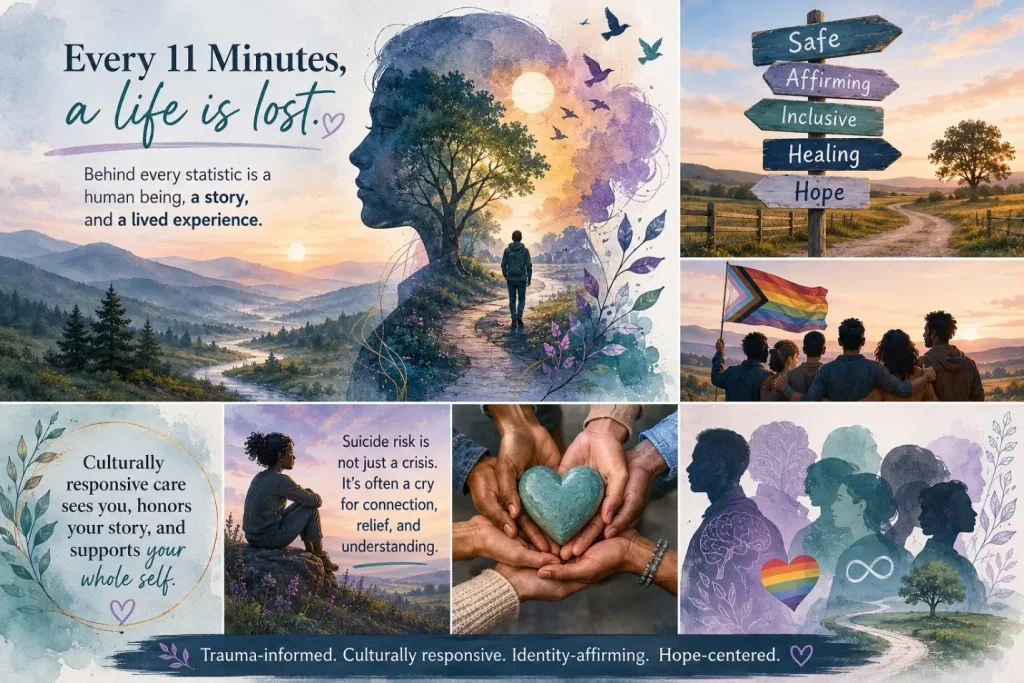
According to the Centers for Disease Control and Prevention (CDC), more than 49,000 people in the United States died by suicide in 2023, equating to one death every 11 minutes. Suicide rates continue to disproportionately impact individuals who experience discrimination, isolation, poverty, identity invalidation, trauma, and barriers to affirming care.
Research consistently demonstrates that marginalized populations are at increased risk for suicidal ideation and suicide attempts. LGBTQ+ individuals, particularly transgender and nonbinary BIPOC individuals, experience significantly higher rates of suicidal thoughts due to chronic identity invalidation and systemic oppression (Gamio Cuervo & Del Rio, 2025). Similarly, autistic and gender-diverse individuals experience elevated rates of suicidal behaviors, particularly when masking, social rejection, and discrimination are present.
For many clients, suicide risk does not develop in isolation—it often emerges from cumulative trauma and unmet emotional needs. A rural LGBTQ+ teen may struggle with isolation and fear of rejection in an unsupportive environment. A Black adult with severe depression may avoid treatment due to historical mistrust of healthcare systems and stigma within their community. An autistic individual experiencing chronic burnout may internalize feelings of hopelessness after years of masking and misunderstanding. These lived experiences highlight why culturally informed and trauma-responsive mental health care is essential.
The CDC also reports that people living in rural communities experience higher suicide rates than those in urban areas, often due to reduced access to healthcare, social isolation, and economic stressors. Additionally, individuals with serious mental illness frequently experience loneliness and disconnection, both of which are strongly associated with suicide risk.
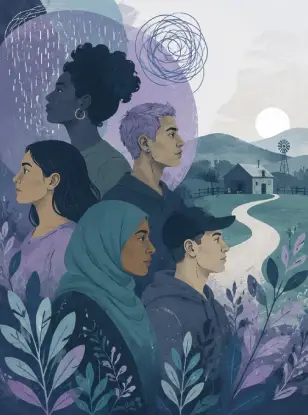
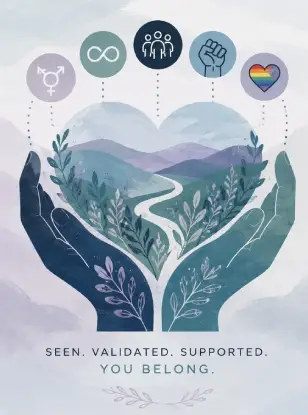
Culturally responsive suicide prevention involves more than crisis intervention. It requires clinicians to understand how racism, ableism, homophobia, transphobia, poverty, and systemic oppression influence mental health symptoms and help-seeking behaviors. Trauma-informed therapists create emotionally safe spaces where clients can process shame, grief, identity conflict, suicidal thoughts, and hopelessness without fear of judgment or pathologizing.
Protective factors that reduce suicide risk may include:
- Building affirming community connections
- Developing emotional regulation and coping skills
- Accessing culturally responsive therapy
- Reducing isolation through support systems
- Learning boundary-setting and self-advocacy
- Creating identity-affirming environments
- Strengthening hope, belonging, and purpose
Suicide prevention also includes having difficult conversations openly and compassionately. Seeking support is not weakness it is an act of survival and courage. If you or someone you love is struggling with suicidal thoughts, depression, trauma, or emotional overwhelm, compassionate support is available. Schedule an appointment with therapist Krishana Overstreet at Mapping Resilience Therapy Center for culturally responsive, trauma-informed mental health care tailored to your lived experiences.