Author: Mapping Resilience Therapy Center

  • Men’s Mental Health: Why Letting Go of the “Strong, Silent, and Emotionless” Trope Improves Overall Wellbeing

    Men’s Mental Health: Why Letting Go of the “Strong, Silent, and Emotionless” Trope Improves Overall Wellbeing

    For generations, many men have been taught that emotional suppression is a sign of strength. Messages such as “man up,” “boys don’t cry,” and “handle it yourself” continue to shape how men experience vulnerability, relationships, stress, and mental health. While society often praises men for appearing stoic and emotionally controlled, research increasingly shows that rigid masculine expectations can negatively impact emotional wellbeing, relationship satisfaction, and overall quality of life (Mahalik et al., 2003).
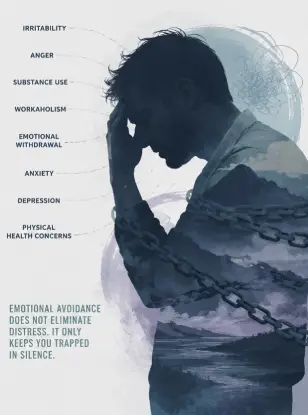
    Many clients report feeling disconnected from themselves because they learned early in life that emotions were unsafe, shameful, or weak. Unfortunately, emotional avoidance does not eliminate distress. Instead, suppressed emotions often emerge through irritability, anger, substance use, workaholism, emotional withdrawal, anxiety, depression, or physical health concerns.

    Men’s mental health is especially important within marginalized communities where cultural expectations, systemic oppression, and generational survival patterns can intensify pressure to remain emotionally silent (Seidler et al., 2016). For example, Black men may experience societal expectations to appear hyper-resilient in response to racism and discrimination. LGBTQI+ men may internalize messages that vulnerability threatens masculinity or safety. Men living in rural communities may face additional barriers due to stigma surrounding therapy, limited access to mental health resources, and cultural norms emphasizing independence and self-reliance.

    Research demonstrates that restrictive emotionality is associated with poorer mental health outcomes, including depression, interpersonal difficulties, and lower help-seeking behaviors (Levant & Richmond, 2016). Men are also statistically less likely to seek therapy despite experiencing significant emotional distress. This silence can contribute to increased isolation and emotional burnout.

    Trauma informed therapy helps men challenge the harmful belief that strength requires emotional suppression. Emotional awareness is not weakness; it is a critical component of psychological flexibility, healthy relationships, and nervous system regulation. Therapy provides a supportive environment where men can safely identify emotions, process trauma, strengthen communication skills, and redefine masculinity in healthier and more authentic ways.
    Consider the example of a Latino father raised in a household where emotional expression was discouraged and discipline was equated with toughness. Although deeply caring toward his family, he struggled to communicate affection and vulnerability with his children. Over time, emotional distance contributed to conflict and feelings of loneliness. In therapy, exploring cultural values around masculinity and intergenerational survival allowed him to develop healthier communication patterns without abandoning his cultural identity. He learned that emotional openness could coexist with strength, leadership, and responsibility.

    Similarly, a rural gay man navigating anxiety and chronic stress may fear judgment if he discusses emotional struggles openly. Therapy can help create space to process identity-related stress while building self-compassion and emotional resilience. Healing often begins when men recognize that vulnerability is not failure it is a necessary part of human connection.

    Improving men’s mental health requires shifting away from outdated stereotypes that equate masculinity with silence and emotional disconnection. Emotional wellbeing supports healthier relationships, improved self-esteem, stronger coping skills, and greater life satisfaction. Men deserve spaces where they can exist fully as human beings not just providers, protectors, or problem-solvers.

    Seeking therapy is not a sign of weakness. It is an investment in emotional health, personal growth, and long-term wellbeing.

    If you are struggling with emotional burnout, trauma, identity stress, or relationship difficulties, consider scheduling an appointment with therapist Krishana Overstreet at Mapping Resilience Therapy Center for trauma-informed, culturally responsive mental health support.

  • Navigating Family Estrangement in Marginalized Communities: A Trauma Informed Perspective

    Navigating Family Estrangement in Marginalized Communities: A Trauma Informed Perspective

    Family estrangement is a deeply complex and often painful experience that can carry layers of grief, liberation, guilt, and identity conflict. For individuals within BIPOC, LGBTQI+, and rural communities, estrangement may also intersect with cultural expectations, intergenerational trauma, religious beliefs, and systemic oppression. In trauma-informed therapy, it is essential to approach estrangement not as a failure of family loyalty, but as a survival response that may protect emotional, psychological, or physical safety.

    Research suggests that family rejection can significantly impact mental health outcomes, particularly among LGBTQI+ individuals and marginalized populations (Ryan et al., 2009). In many collectivist cultures, family unity and interdependence are highly valued, which can intensify the emotional burden of creating distance from harmful family systems. Clients may experience internal conflict between honoring cultural identity and protecting their wellbeing. Trauma-informed therapy recognizes that both realities can coexist.

    Case Example #1

     A Black queer adult raised in a conservative religious household may choose estrangement after years of emotional invalidation related to sexual orientation. While separation from family may reduce exposure to rejection and psychological harm, the individual may also mourn the loss of cultural traditions, community rituals, and familial connection. Therapy in this context should avoid framing estrangement as inherently empowering or inherently harmful. Instead, clinicians can help clients explore how cultural identity, safety, and personal values intersect.

    Similarly, individuals from rural communities may face additional barriers when navigating estrangement. Rural culture often emphasizes privacy, self-reliance, and close-knit family systems(Subica et al., 2015). A neurodivergent young adult in a rural area who distances themselves from emotionally abusive relatives may struggle with isolation due to limited community support and fear of social stigma. Trauma-informed care involves acknowledging these contextual realities while collaboratively building alternative systems of support and belonging.

    Case Example # 2

    Consider a Latina client who experienced chronic emotional abuse connected to rigid gender expectations within her family. Although she chose limited contact to protect her mental health, she also feared being perceived as disrespectful or “ungrateful.” In therapy, processing cultural narratives around familismo the strong identification and attachment to family common in many Latinx cultures became essential. Rather than dismissing these cultural values, therapy focused on helping the client redefine family loyalty in ways that included self-respect and emotional safety.

    Respecting cultural identity within estrangement work requires therapists to remain culturally humble and non-assumptive. Clinicians should avoid encouraging immediate reconciliation or complete cutoff without understanding the broader sociocultural context. Instead, therapeutic goals may include boundary development, grief processing, identity exploration, nervous system regulation, and building chosen family networks (Sue et al., 2019).

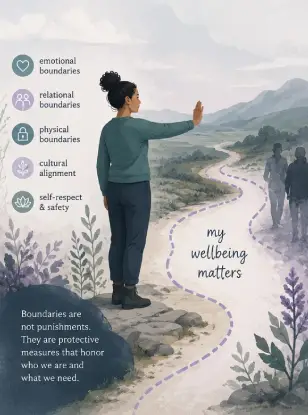
    Boundary work is particularly important in trauma recovery. Boundaries are not punishments; they are protective measures that clarify emotional, relational, and physical needs. Clients may choose varying levels of contact depending on safety, cultural obligations, financial dependency, or caregiving responsibilities. Therapy can support clients in developing boundaries that align with both personal wellbeing and cultural values.

    Ultimately, family estrangement is rarely a simple decision. For marginalized individuals, it often reflects years of navigating invalidation, discrimination, and survival within systems that minimized their needs. Trauma-informed therapy offers space to process these experiences without shame while honoring the complexity of cultural identity, grief, resilience, and healing.

  • Social Media, Mental Health Misinformation, and the Growing Confusion Between Therapy, Life Coaching, and Online Commentary

    Social Media, Mental Health Misinformation, and the Growing Confusion Between Therapy, Life Coaching, and Online Commentary

    Social media has transformed the way people learn about mental health, trauma, relationships, and emotional wellbeing. Platforms such as TikTok, Instagram, YouTube, and podcasts have increased access to conversations surrounding anxiety, depression, ADHD, autism, trauma, and self-care. For many individuals within BIPOC, neurodivergent, LGBTQI+, serious mental illness (SMI), and rural communities, social media may provide validation, representation, and language for experiences that were previously ignored or stigmatized. However, the growing overlap between licensed mental health care, life coaching, and online social commentary has also created significant confusion and potential harm.

    Many individuals struggle to distinguish between evidence-based mental health treatment provided by licensed clinicians and generalized advice from influencers, coaches, or content creators with no formal clinical training. While some online creators offer supportive and educational content, others present oversimplified, inaccurate, or harmful information that may negatively influence mental health decision-making (Naslund et al., 2020). Trauma informed therapy recognizes that vulnerable individuals often seek answers online when access to quality mental health care feels limited, expensive, stigmatized, or inaccessible.

    One growing concern is the rise of “therapy language” being used outside of clinical contexts without appropriate nuance or ethical responsibility. Terms such as “gaslighting,” “narcissist,” “toxic,” “trauma bond,” or “boundaries” are frequently used in social media discussions, sometimes inaccurately. Although increased awareness of mental health terminology can be empowering, misuse of these concepts may contribute to relational conflict, self-diagnosis, stigma, or avoidance of appropriate treatment.

    For example, a young autistic adult consuming social media content about “cutting off toxic people” may begin distancing themselves from all interpersonal conflict without understanding the difference between healthy disagreement and emotional abuse. Another example may involve a Black woman experiencing symptoms of bipolar disorder who follows motivational life coaches promoting “mindset shifts” as substitutes for psychiatric treatment. Without proper clinical support, symptoms may worsen due to delayed intervention or shame surrounding medication and evidence-based care.

    Research shows that misinformation online can significantly impact healthcare behaviors and trust in professional treatment systems (Swire-Thompson & Lazer, 2020). This concern becomes particularly important for marginalized communities already navigating systemic healthcare inequities, discrimination, or historical mistrust of institutions. Individuals in rural communities may rely heavily on social media for mental health information due to provider shortages and lack of specialized care. Similarly, LGBTQI+ individuals may seek online validation when affirming therapy resources are limited in their geographic area.

    Unlike licensed mental health professionals, life coaches and influencers are not universally regulated by ethical boards, licensure laws, clinical supervision requirements, confidentiality standards, or evidence-based treatment guidelines. Licensed clinicians, including Licensed Clinical Social Workers (LCSWs), are trained to assess risk, diagnose mental health conditions, recognize suicidality, address trauma safely, and understand the complexity of human behavior within sociocultural contexts. Social media commentary alone cannot replace individualized mental health treatment (Ventola, 2014).

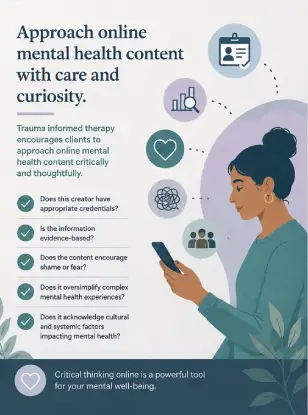
    Trauma informed therapy encourages clients to approach online mental health content critically and thoughtfully. Helpful questions may include: Does this creator have appropriate credentials? Is the information evidence-based? Does the content encourage shame or fear? Does it oversimplify complex mental health experiences? Does it acknowledge cultural and systemic factors impacting mental health?

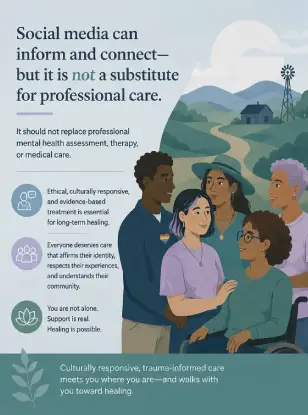
    Social media can be a valuable tool for awareness and community connection, but it should not replace professional mental health assessment, therapy, or medical care. Ethical, culturally responsive, and evidence-based treatment remains essential for long-term healing, especially for individuals navigating trauma, neurodivergence, identity stress, or serious mental health concerns.

    If you are feeling overwhelmed by mental health information online or are seeking evidence-based, trauma-informed support, consider scheduling an appointment with therapist Krishana Overstreet at Mapping Resilience Therapy Center to receive culturally responsive care tailored to your lived experiences.

  • Maternity Mental Health & Perinatal Mental Health: Trauma Informed Care, Access to Specialists, and Supporting Whole Person Wellness

    Maternity Mental Health & Perinatal Mental Health: Trauma Informed Care, Access to Specialists, and Supporting Whole Person Wellness

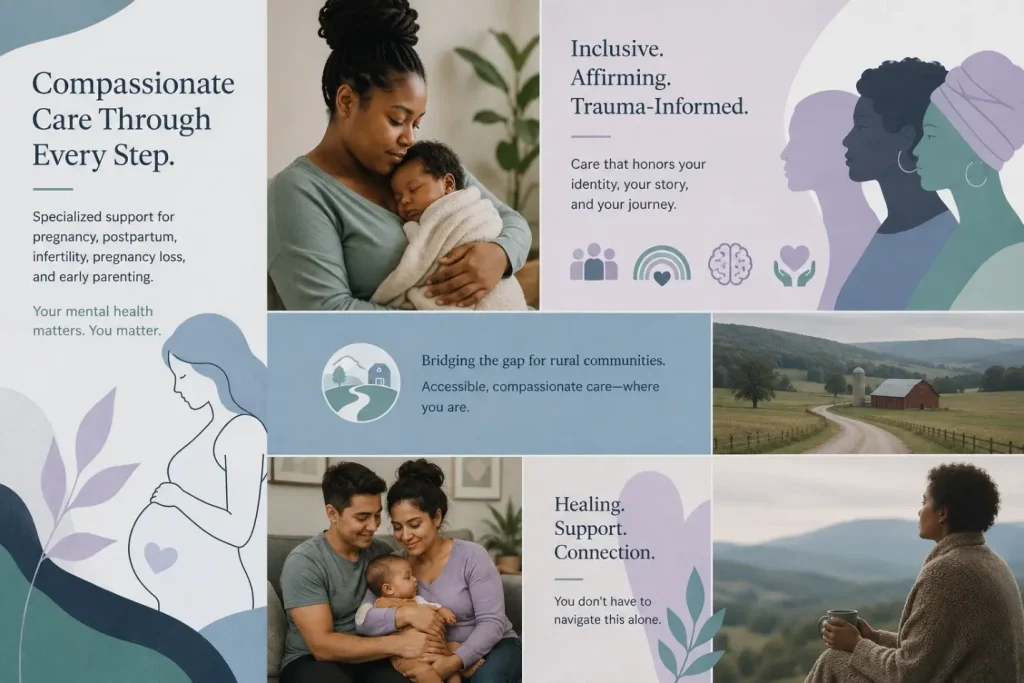
    Maternity mental health and perinatal mental health care are essential components of healthcare for individuals experiencing pregnancy, postpartum adjustment, infertility, pregnancy loss, and early parenting transitions. These periods represent some of the most psychologically and physiologically vulnerable times in a person’s life, particularly for individuals from BIPOC, LGBTQI+, neurodivergent, severely mentally ill (SMI), and rural communities who often face additional systemic barriers to care.

    At Mapping Resilience Therapy Center, therapist Krishana Overstreet, LCSW, provides trauma informed, culturally responsive mental health care. While perinatal mental health is not a clinical specialty offered within her practice, she strongly advocates for early identification, appropriate referral, and access to highly trained perinatal clinicians. Ensuring clients receive care from specialists in maternity mental health is a core part of her ethical and clinical commitment because the right care, from the right provider, matters.

    Understanding Perinatal Mental Health

    Perinatal mental health includes emotional and psychological conditions that occur during pregnancy and up to one year postpartum. These conditions include perinatal depression, anxiety, obsessive-compulsive symptoms, birth trauma, and postpartum psychosis. Research indicates that approximately 1 in 7 birthing individuals experience postpartum depression, though rates are higher among marginalized populations due to compounded stress and reduced access to care (Gavin et al., 2005).

    Untreated perinatal mental health conditions can significantly impact both caregiver and infant outcomes, including bonding difficulties, impaired functioning, and increased risk of long-term mood disorders.

    Health Disparities in Perinatal Mental Health

    BIPOC individuals experience significantly higher rates of maternal morbidity and mortality, as well as lower access to mental health screening and treatment during pregnancy and postpartum periods (Howell, 2018). Black birthing individuals, in particular, face structural racism within healthcare systems that contributes to elevated stress and poorer outcomes even when controlling for income and education.

    LGBTQI+ individuals may face discrimination in fertility care, pregnancy experiences, and postpartum support systems. Neurodivergent individuals may experience sensory overload, communication barriers, and lack of provider understanding during prenatal care. Rural individuals often encounter limited access to specialized perinatal mental health providers and psychiatric services.

    Case Examples: Why Specialized Perinatal Care Matters

    A Black first-time mother experiencing postpartum depression may hesitate to disclose symptoms due to fear of being judged or labeled as “noncompliant” within healthcare systems. Without culturally responsive screening, her symptoms may go untreated.

    A neurodivergent autistic parent may struggle with postpartum sensory overwhelm and disrupted routines, yet find providers unfamiliar with autism misinterpret these experiences as anxiety alone rather than neurodevelopmental needs.

    A rural LGBTQ+ couple pursuing fertility treatment may encounter providers who lack affirming language and inclusive practices, increasing emotional distress during an already vulnerable time.

    These examples highlight why specialized perinatal mental health care is critical and why referral to trained clinicians is a necessary part of ethical practice.

    Trauma Informed Considerations in Perinatal Care

    Research shows that perinatal mental health outcomes improve when care is trauma-informed, culturally responsive, and integrated with obstetric services (Byatt et al., 2013). Trauma histories, birth trauma, systemic stress, and identity-based discrimination all influence perinatal mental health experiences.

    Effective perinatal mental health care includes:

    • Routine mental health screening during pregnancy and postpartum
    • Trauma-informed psychotherapy for birth-related trauma
    • Psychiatric support when needed
    • Culturally responsive and identity-affirming care
    • Integration of family and support systems when appropriate
    • Coordination with OB/GYN, midwives, and pediatric providers

    Clinical Ethics and Referrals

    Because perinatal mental health is a highly specialized field, Krishana Overstreet prioritizes timely referral to clinicians with advanced training in maternity mental health, reproductive psychiatry, and perinatal trauma care.

    Referral is not a limitation—it is a clinical strength

    Or, as Krishana puts it with a bit of humor: “I love supporting you, but I love even more making sure you’re with the clinician who actually trained specifically for this, not just someone who once read a blog post in 2012 or attended a one-time seminar 6 months ago.”

    Ensuring access to competent, specialized care is one of the most important aspects of ethical, trauma informed practice.

    One of the clinicians that I have had the pleasure to review from afar is 3RoadsTherapy Group practice that specializes in motherhood and mental health. They are also starting a group June 6th for $15 for support and guidance by a specialized clinician. It is a steal and don’t miss it.

    Reach out to admin@3Roadstherapy.com or visit their website https://www.3roadstherapy.com

    Mother Mental Health is Whole Body Health

    Perinatal mental health is not just about surviving pregnancy or postpartum it is about supporting emotional safety, identity, and long-term wellness for both caregiver and child. When care is specialized, culturally responsive, and trauma-informed, outcomes improve for entire families.

    For trauma-informed, culturally responsive mental health support outside of perinatal specialty care, schedule an appointment with therapist Krishana Overstreet at Mapping Resilience Therapy Center.

  • Sexual Assault Awareness Month: A Trauma Informed, Culturally Responsive Approach to Healing and Equity in Mental Health Care

    Sexual Assault Awareness Month: A Trauma Informed, Culturally Responsive Approach to Healing and Equity in Mental Health Care

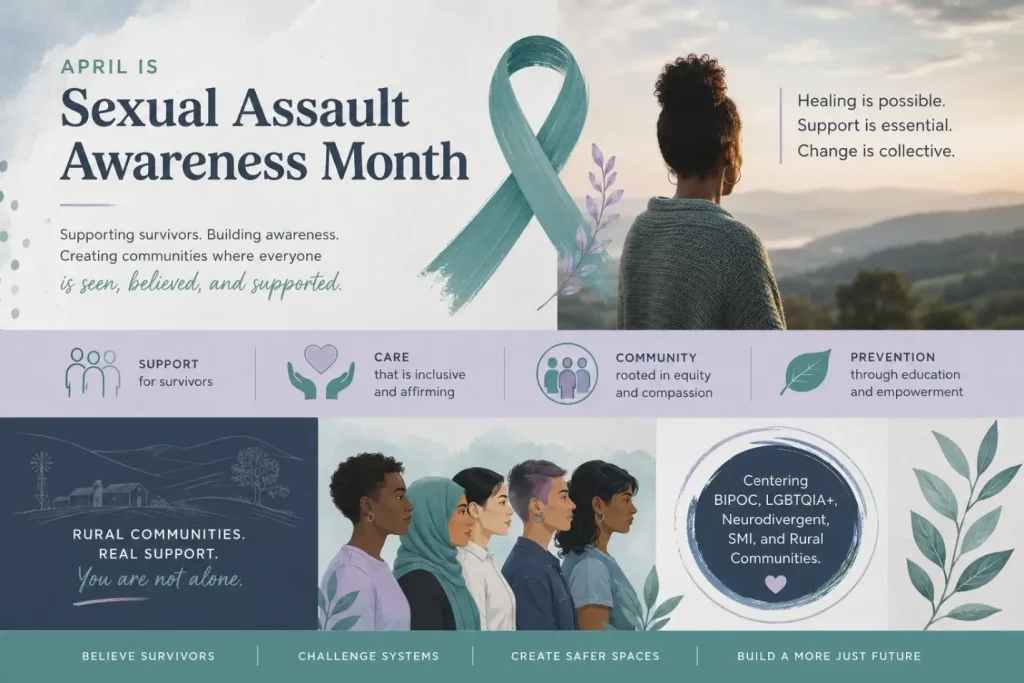
    April marks Sexual Assault Awareness Month (SAAM), a national initiative focused on raising awareness about sexual violence, supporting survivors, and strengthening prevention efforts across communities. In 2026, SAAM continues to highlight a critical public health reality: sexual violence is not only widespread, but also deeply shaped by systemic inequities that affect access to care, safety, and long-term healing especially for BIPOC, LGBTQI+, neurodivergent, severely mentally ill (SMI), and rural populations.

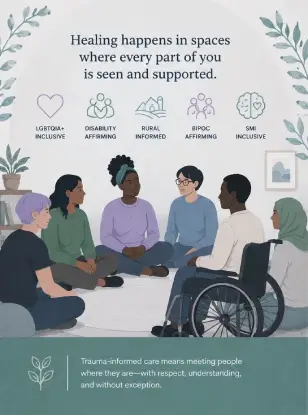
    At Mapping Resilience Therapy Center, therapist Krishana Overstreet, LCSW, provides trauma informed, culturally responsive care grounded in the belief that sexual trauma recovery must address identity, environment, and systemic harm not just symptoms. Her clinical work centers survivor autonomy, cultural humility, and intersectional healing.

    Sexual Violence as a Public Health Crisis

    The Centers for Disease Control and Prevention (CDC) estimates that sexual violence affects millions of people in the United States each year, with approximately 1 in 3 women and 1 in 6 men experiencing some form of sexual violence in their lifetime (CDC, 2024). However, these statistics are widely understood to be underestimates due to underreporting, stigma, and lack of access to reporting systems and care.

    Recent Sexual Assault Awareness Month 2026 public health messaging continues to emphasize that sexual violence remains a persistent crisis shaped by inequality, with marginalized groups experiencing disproportionate harm and reduced access to justice and recovery services (National Sexual Violence Resource Center [NSVRC], 2026).

    Disparities in Sexual Violence Impact

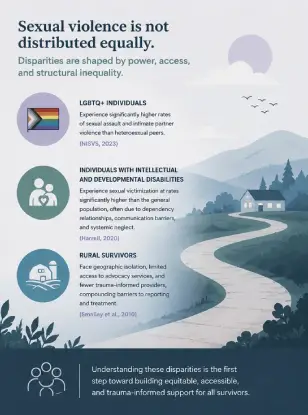
    Research consistently shows that sexual violence is not distributed equally across populations:

    • LGBTQ+ individuals experience significantly higher rates of sexual assault and intimate partner violence than heterosexual peers (National Intimate Partner and Sexual Violence Survey [NISVS], 2023).
    • Individuals with intellectual and developmental disabilities experience sexual victimization at rates significantly higher than the general population, often due to dependency relationships, communication barriers, and systemic neglect (Harrell, 2020).
    • Rural survivors face geographic isolation, limited access to advocacy services, and fewer trauma-informed providers, compounding barriers to reporting and treatment (Smalley et al., 2010).

    These disparities reflect how sexual violence is shaped by power, access, and structural inequality not just individual incidents.

    Case Examples: Intersectional Trauma in Real Life

    A neurodivergent autistic adult seeking therapy after sexual assault may experience difficulty accessing affirming care if providers misinterpret shutdown responses, sensory sensitivities, or communication differences as resistance rather than trauma responses. Without neurodivergent affirming care, re-traumatization can occur within treatment systems themselves.

    A Black transgender survivor living in a rural community may face compounded barriers including lack of LGBTQI+ affirming clinicians, fear of discrimination in healthcare systems, and limited transportation to trauma services. These intersecting stressors often intensify PTSD symptoms and delay recovery.

    A Latina caregiver supporting a child after sexual abuse may experience secondary trauma, cultural stigma around disclosure, and financial stress that limits access to consistent mental health care.

    These examples reflect what research consistently demonstrates: sexual trauma is both an individual and systemic experience that requires culturally responsive intervention (Campbell et al., 2009).

    Trauma Informed Care for Sexual Assault Survivors

    Trauma-informed care recognizes that sexual violence impacts both psychological and physiological systems. Survivors may experience:

    • Post-traumatic stress disorder (PTSD)
    • Depression and anxiety
    • Dissociation and emotional numbing
    • Sleep disruption and hypervigilance
    • Chronic pain and somatic symptoms
    • Identity disruption and relational challenges

    Research shows that trauma informed, survivor centered care improves emotional safety, empowerment, and long-term recovery outcomes when it prioritizes choice, collaboration, and cultural responsiveness (Campbell et al., 2009).

    Effective trauma-informed sexual assault care includes:

    • Centering survivor autonomy and consent in all treatment decisions
    • Integrating cultural humility and intersectional identity awareness
    • Addressing racial, gender, disability, and neurodivergent trauma
    • Using grounding and somatic stabilization techniques
    • Supporting meaning-making and identity reconstruction after trauma

    Moving Beyond Awareness Toward Structural Change

    While SAAM increases visibility, 2026 public health discussions continue to emphasize that awareness alone is insufficient. Survivors need systemic change, accessible care, and accountability structures that prevent harm and support healing (NSVRC, 2026). Trauma recovery must be paired with broader efforts to reduce barriers in healthcare, legal systems, and community support networks.

    At Mapping Resilience Therapy Center, Krishana Overstreet is a seasoned clinican with n extensive record of helping clients of all ages navigate towards recovery from sexual trauma. She provides trauma informed, culturally responsive therapy that supports survivors in reclaiming safety, autonomy, and identity after sexual trauma.

    To begin trauma-informed sexual assault recovery support with culturally responsive care, schedule an appointment with therapist Krishana Overstreet at Mapping Resilience Therapy Center.

    Moving Beyond Awareness Toward Structural Change

    While SAAM increases visibility, 2026 public health discussions continue to emphasize that awareness alone is insufficient. Survivors need systemic change, accessible care, and accountability structures that prevent harm and support healing (NSVRC, 2026). Trauma recovery must be paired with broader efforts to reduce barriers in healthcare, legal systems, and community support networks.

    At Mapping Resilience Therapy Center, Krishana Overstreet is a seasoned clinican with n extensive record of helping clients of all ages navigate towards recovery from sexual trauma. She provides trauma informed, culturally responsive therapy that supports survivors in reclaiming safety, autonomy, and identity after sexual trauma.

    To begin trauma-informed sexual assault recovery support with culturally responsive care, schedule an appointment with therapist Krishana Overstreet at Mapping Resilience Therapy Center.

  • Reconsidering ABA in Autism Care: A Neurodivergent-Affirming, Trauma Informed Perspective for Community Education Month

    Reconsidering ABA in Autism Care: A Neurodivergent-Affirming, Trauma Informed Perspective for Community Education Month

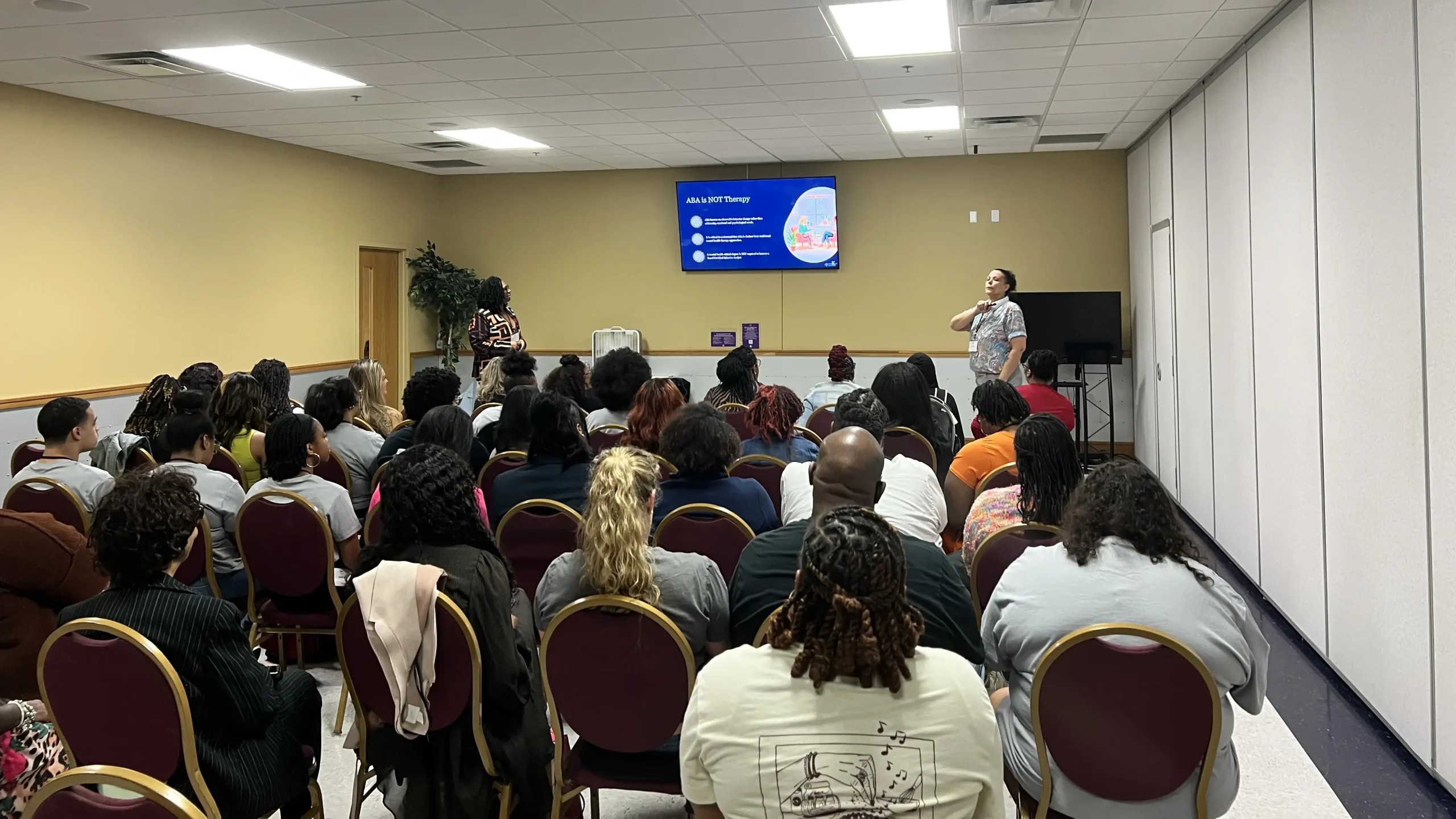
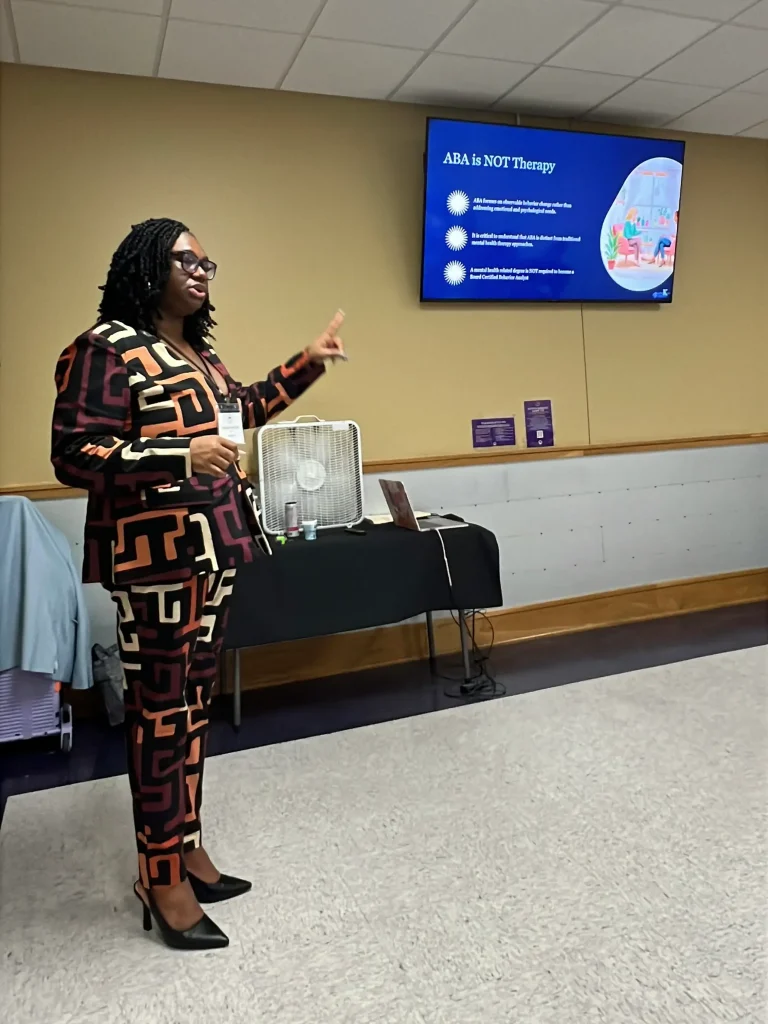
    March marks a community education initiative led by therapist Krishana Overstreet, LCSW, at Mapping Resilience Therapy Center, focused on critically examining Applied Behavior Analysis (ABA) as an intervention commonly used with autistic individuals. From a trauma-informed and neurodivergent affirming lens, this conversation centers lived experience, ethical care standards, and the importance of supporting autistic people through dignity, autonomy, and holistic service coordination.

    Autism Spectrum Disorder is a neurodevelopmental difference characterized by variations in communication, sensory processing, and social interaction. Research increasingly emphasizes the importance of affirming neurodiversity rather than attempting to normalize autistic behavior (Bottema-Beutel et al., 2021). While ABA is widely used, it remains a subject of significant debate within both clinical and autistic communities.

    Lived Experience and Clinical Concerns

    A growing body of autistic self-advocates and former ABA practitioners report that traditional ABA models may prioritize compliance and behavior modification over emotional safety, autonomy, and internal experience. Retrospective research has found associations between ABA exposure and increased rates of post-traumatic stress symptoms in some autistic individuals (Kupferstein, 2018). Additionally, critics argue that reinforcement-based compliance models can inadvertently suppress self-regulatory behaviors such as stimming, which many autistic individuals use for emotional regulation and sensory integration.

    From a trauma-informed care perspective, any intervention that prioritizes outward behavior without attending to internal distress may risk overlooking the lived emotional experience of the individual. Some former behavior technicians (RBTs) and Board Certified Behavior Analysts (BCBAs) have shared concerns in professional forums and qualitative reports that implementation pressures, productivity metrics, and compliance-focused goals can sometimes overshadow individualized, relationship-based care.

    A Case Example: Behavior is Never the Problem it is Communication

    Consider an autistic adolescent receiving ABA services to reduce “noncompliant” behavior in school settings. The child frequently covers their ears, rocks, and withdraws during classroom transitions. In a traditional behavioral framework, these actions may be targeted for reduction. However, a neurodivergent-affirming assessment might identify sensory overload, anxiety, and environmental mismatch as the root causes. In this case, intervention would be better served through occupational therapy (OT), speech language pathology (SLP), sensory accommodations, and environmental modification rather than behavior suppression alone.

    Research supports this integrated model of care coordination. Evidence suggests that outcomes improve when autistic individuals receive interdisciplinary support that includes communication, sensory, and adaptive functioning services rather than isolated behavioral compliance programs (Tager-Flusberg et al., 2022).

    Sensory Differences and Neurodivergent Realities

    It is important to clarify that while sensory processing differences are a diagnostic feature commonly associated with autism, they are not identical across all individuals. Many autistic people experience sensory hyper- or hypo-reactivity, though the intensity and presentation vary widely. Recognizing this diversity is essential to trauma-informed care. Interventions that punish or suppress sensory-related coping behaviors for neurotypical comfort risk increasing distress and internalized shame.

    From Krishana Overstreet’s clinical perspective, it is never trauma informed or trauma responsive to punish individuals for neurodivergent traits they cannot change. Instead, ethical care focuses on understanding behavior as communication and adapting environments to support regulation, safety, and autonomy.

    Moving Toward Ethical, Coordinated Care

    A more effective and affirming approach to autism care emphasizes care coordination rather than behavioral compliance alone. This includes:

    • Speech-language therapy (SLP) for communication access
    • Occupational therapy (OT) for sensory integration and daily living skills
    • Mental health therapy for emotional processing and trauma support who specialize in neurodiversity care
    • Educational accommodations tailored to neurodivergent needs
    • Family education rooted in acceptance and autonomy

    This model prioritizes quality of life, self determination, and psychological safety over behavior suppression.

    Moving Foward

    As part of March community education programming, Mapping Resilience Therapy Center emphasizes that autism care must evolve toward neurodivergent-affirming, trauma-informed, and ethically grounded practices. This includes critically examining intervention models and centering the voices and lived experiences of autistic individuals themselves.

    To explore neurodivergent-affirming, trauma-informed mental health care with therapist Krishana Overstreet, schedule an appointment at Mapping Resilience Therapy Center.

  • A Trauma-Informed Call for Integrated Physical and Mental Health Care

    A Trauma-Informed Call for Integrated Physical and Mental Health Care

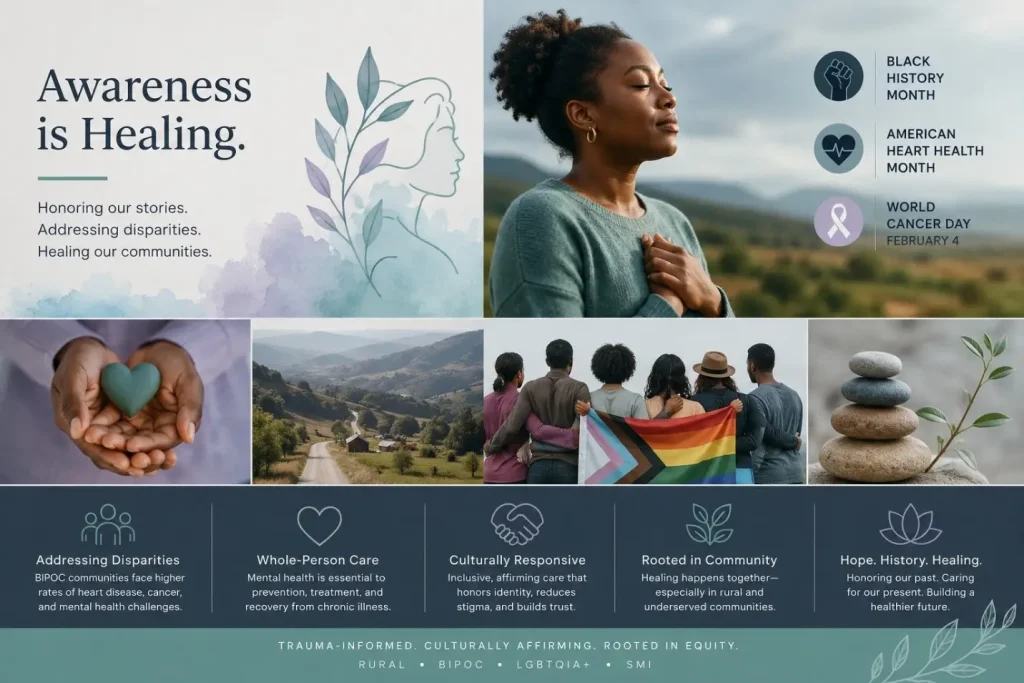
    February is a uniquely powerful month in public health awareness, encompassing Black History Month, American Heart Health Month, and World Cancer Day. Together, these observances highlight the urgent need to address health disparities affecting Black, Indigenous, and People of Color (BIPOC) communities particularly in relation to cardiovascular disease, cancer outcomes, and the overlooked role of mental health in chronic illness recovery.

    At Mapping Resilience Therapy Center, therapist Krishana Overstreet, LCSW, integrates trauma-informed and culturally responsive mental health care with a deep commitment to addressing the whole person mind, body, identity, and environment. This commitment is also deeply personal. Krishana lost her “heart” (her spouse) to Myxoid liposarcoma, a rare soft tissue cancer. This lived experience underscores her clinical belief that recovery and treatment for chronic illnesses such as cancer and heart disease must always include mental health care and emotional support, not just medical intervention.

    Health Disparities in Heart Disease and Cancer

    Cardiovascular disease remains the leading cause of death in the United States, and Black adults experience significantly higher mortality rates compared to White adults (Carnethon et al., 2017). Structural inequities such as limited access to preventive care, chronic stress exposure, and healthcare bias contribute to these disparities. Similarly, cancer outcomes vary dramatically by race. Black individuals are more likely to be diagnosed at later stages and experience higher mortality rates for several cancers, including breast, prostate, and colorectal cancers (DeSantis et al., 2019).

    World Cancer Day emphasizes that these disparities are not only biological they are deeply social and systemic. Stress, access to care, environmental exposures, and healthcare mistrust all contribute to worse outcomes in marginalized populations.

    The Mind-Body Connection in Chronic Illness

    Research in psychoneuroimmunology demonstrates that chronic stress significantly impacts immune function, inflammation levels, and disease progression (Slavich & Irwin, 2014). For individuals living with cancer or heart disease, untreated anxiety, depression, and trauma can worsen physical symptoms and reduce quality of life.

    For example, a Black middle-aged man recovering from a heart attack may experience ongoing anxiety about recurrence while simultaneously navigating racial bias in healthcare settings. Without integrated mental health care, his emotional distress may go unaddressed, increasing the risk of secondary cardiac events.

    Similarly, a Black woman undergoing cancer treatment may experience depression, body image distress, and financial toxicity while managing chemotherapy side effects. Without trauma-informed support, these emotional burdens can compound physical suffering and delay recovery.

    Case Examples: Why Integrated Care Matters

    A rural Black caregiver supporting a spouse with cancer may experience chronic burnout, grief, and isolation due to lack of local mental health services. A neurodivergent cancer survivor may struggle with sensory sensitivity during treatment, yet have no access to providers who understand both autism and oncology-related trauma. An LGBTQI+ Black elder managing heart disease may avoid medical care due to past discrimination in healthcare systems.

    These lived experiences demonstrate that physical illness cannot be separated from emotional and psychological health.

    The Role of Trauma Informed Mental Health Care

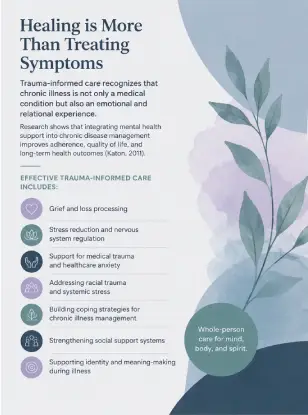
    Trauma-informed care recognizes that chronic illness is not only a medical condition but also an emotional and relational experience. Research shows that integrating mental health support into chronic disease management improves adherence, quality of life, and long-term health outcomes (Katon, 2011).

    Effective trauma-informed care includes:

    • Grief and loss processing
    • Stress reduction and nervous system regulation
    • Support for medical trauma and healthcare anxiety
    • Addressing racial trauma and systemic stress
    • Building coping strategies for chronic illness management
    • Strengthening social support systems
    • Supporting identity and meaning-making during illness

    Honoring Black History Through Health Equity

    Black History Month reminds us that health equity is inseparable from racial justice. Addressing disparities in heart disease and cancer outcomes requires not only medical treatment but also culturally responsive mental health care that acknowledges systemic oppression and lived experience.

    At Mapping Resilience Therapy Center, Krishana Overstreet provides trauma-informed, culturally responsive therapy that honors the full humanity of individuals navigating chronic illness, grief, identity, and systemic inequities.

    To begin compassionate, integrated mental health care that supports both emotional and physical healing, schedule an appointment with therapist Krishana Overstreet at Mapping Resilience Therapy Center.

    Honoring Black History Through Health Equity

    Black History Month reminds us that health equity is inseparable from racial justice. Addressing disparities in heart disease and cancer outcomes requires not only medical treatment but also culturally responsive mental health care that acknowledges systemic oppression and lived experience.

    At Mapping Resilience Therapy Center, Krishana Overstreet provides trauma-informed, culturally responsive therapy that honors the full humanity of individuals navigating chronic illness, grief, identity, and systemic inequities.

    To begin compassionate, integrated mental health care that supports both emotional and physical healing, schedule an appointment with therapist Krishana Overstreet at Mapping Resilience Therapy Center.

  • Why Whole-Body Health and Mental Health Are Inseparable

    Why Whole-Body Health and Mental Health Are Inseparable

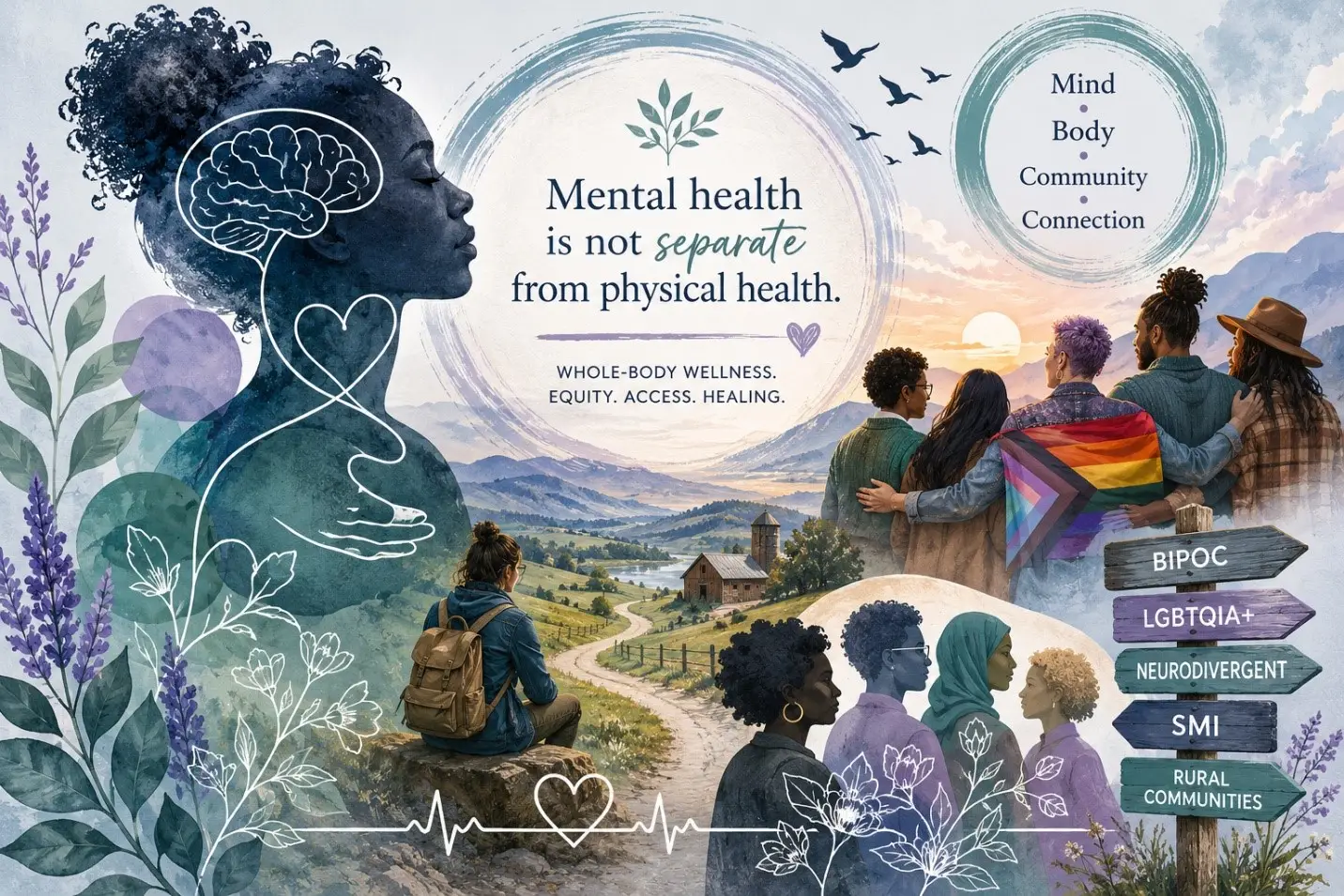
    January Mental Health Awareness Month is an important reminder that mental health is not separate from physical health it is a core component of whole-body wellness. For individuals in BIPOC, LGBTQI+, neurodivergent, severely mentally ill (SMI), and rural communities, understanding the connection between emotional well-being and physical health is especially critical due to the compounded effects of systemic stress, healthcare disparities, and limited access to culturally responsive care.

    At Mapping Resilience Therapy Center, therapist Krishana Overstreet, LCSW, emphasizes that mental health is physical health. Her trauma-informed, culturally responsive private practice was founded on the belief that healing must address the full human system mind, body, environment, and identity. This approach is especially vital for marginalized communities who often experience chronic stress exposure due to racism, ableism, homophobia, transphobia, poverty, and geographic isolation.

    The Mind-Body Connection in Mental Health

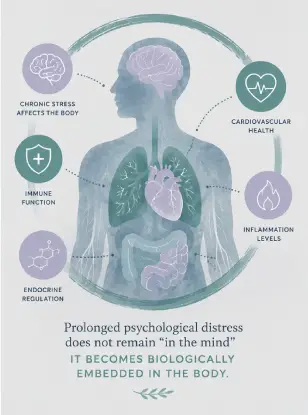
    Research in psychoneuroimmunology demonstrates that chronic stress and untreated mental health conditions directly affect immune function, cardiovascular health, endocrine regulation, and inflammation levels (Slavich & Irwin, 2014). In other words, prolonged psychological distress does not remain “in the mind” it becomes biologically embedded in the body.

    For example, individuals experiencing chronic anxiety or trauma may present with headaches, gastrointestinal distress, sleep disturbances, or autoimmune flare-ups. Depression has also been linked to increased risk for heart disease and metabolic conditions. These findings reinforce that mental health treatment is preventative healthcare, not optional care.

    Case Examples: When Mental Health Shows Up in the Body

    A Black queer woman living in a rural community may experience chronic hypervigilance due to both racialized stress and lack of LGBTQI+ affirming support systems. Over time, she develops insomnia, high blood pressure, and digestive issues. Without access to trauma-informed care, her physical symptoms may be treated in isolation, while the root psychological stress remains unaddressed.

    A neurodivergent autistic adult may experience sensory overload and masking in workplace environments, leading to chronic exhaustion, migraines, and burnout. Without neurodivergent-affirming mental health care, these symptoms may be misinterpreted as physical illness alone rather than interconnected stress responses.

    A person living with severe mental illness (SMI), such as bipolar disorder, may experience medication side effects, emotional dysregulation, and disrupted sleep cycles, all of which impact physical functioning and quality of life. Integrated care that addresses both psychological and physical needs is essential for stability and recovery.

    Whole Body Health Requires Integrated Care

    Research supports integrated healthcare models that combine mental health treatment with primary care, lifestyle support, and social determinants of health interventions. Individuals receiving integrated care show improved outcomes in both physical and psychological functioning compared to those receiving fragmented services (Butler et al., 2008).

    Key components of whole-body mental health care include:

    • Trauma informed psychotherapy
    • Sleep regulation and nervous system stabilization
    • Nutrition and hydration awareness (without diet culture framing)
    • Movement that supports regulation (not punishment-based exercise)
    • Medication management when appropriate
    • Sensory-aware environmental adjustments for neurodivergent individuals
    • Social support and community connection
    • Addressing systemic stressors (racism, ableism, poverty, isolation)

    How Marginalized Communities Are Most Impacted

    BIPOC, LGBTQI+, neurodivergent, SMI, and rural populations often experience higher levels of chronic stress due to structural inequities in healthcare access, discrimination, and resource availability. Research shows that chronic exposure to discrimination is associated with increased allostatic load the cumulative wear and tear on the body caused by chronic stress (McEwen, 2017). This makes whole-body mental health care not only beneficial but essential for long-term well-being.

    Reframing Mental Health as Physical Health

    Mental health awareness is not just about reducing stigma it is about recognizing that emotional distress is a physiological experience that deserves comprehensive care. Healing requires addressing both internal experiences and external environments that contribute to distress.

    When mental health is treated as whole body health, individuals are more likely to experience improved emotional regulation, physical stability, and overall quality of life.

    At Mapping Resilience Therapy Center, Krishana Overstreet provides trauma-informed, culturally responsive care that integrates mind-body understanding while honoring identity, lived experience, and systemic context.

    To begin trauma informed, whole-body mental health care, schedule an appointment with therapist Krishana Overstreet at Mapping Resilience Therapy Center.

    Reframing Mental Health as Physical Health

    Mental health awareness is not just about reducing stigma it is about recognizing that emotional distress is a physiological experience that deserves comprehensive care. Healing requires addressing both internal experiences and external environments that contribute to distress.

    When mental health is treated as whole body health, individuals are more likely to experience improved emotional regulation, physical stability, and overall quality of life.

    At Mapping Resilience Therapy Center, Krishana Overstreet provides trauma-informed, culturally responsive care that integrates mind-body understanding while honoring identity, lived experience, and systemic context.

    To begin trauma informed, whole-body mental health care, schedule an appointment with therapist Krishana Overstreet at Mapping Resilience Therapy Center.

Safe Exit

If you think someone is monitoring your devices, visit this website from a computer, tablet, or smartphone that isn’t being monitored.

Exit this website quickly with the ‘Safe Exit’ button in the upper right corner, and then delete it from your browser history.