Author: Mapping Resilience Therapy Center

  • Navigating Family Estrangement in Marginalized Communities: Honoring Cultural Identity While Protecting Your Mental Health

    Navigating Family Estrangement in Marginalized Communities: Honoring Cultural Identity While Protecting Your Mental Health

    Family estrangement can be one of the most painful and emotionally complex experiences a person faces, especially for individuals from marginalized communities. For many BIPOC, LGBTQI+, neurodivergent, severely mentally ill (SMI), and rural individuals, family relationships are often deeply tied to cultural identity, spirituality, survival, and community belonging. When estrangement occurs due to identity rejection, trauma, abuse, religious conflict, stigma, or generational expectations, the grief can feel layered and isolating.
    Research shows that LGBTQ+ individuals, particularly those in rural areas and communities of color, experience higher rates of family rejection, identity-based trauma, and social isolation, which can significantly impact mental health outcomes (Wike et al., 2022). Trauma informed therapy recognizes that estrangement is rarely a simple “cut off.” Instead, it often involves navigating chronic grief, guilt, hypervigilance, cultural shame, and pressure from both internal and external systems.

    For example, a queer Black adult may experience pressure to maintain family loyalty despite repeated emotional harm due to cultural narratives around collectivism and respectability. Similarly, an autistic adult from a rural religious family may feel forced to mask their identity to maintain family acceptance. In many cases, marginalized individuals are asked to sacrifice authenticity in exchange for conditional belonging.

    Studies on queer and transgender communities highlight the importance of “chosen family” systems supportive relationships formed outside biological family structures which often become protective factors for healing and resilience (Levin et al., 2020). Creating affirming support networks can reduce isolation while strengthening identity development and emotional safety.

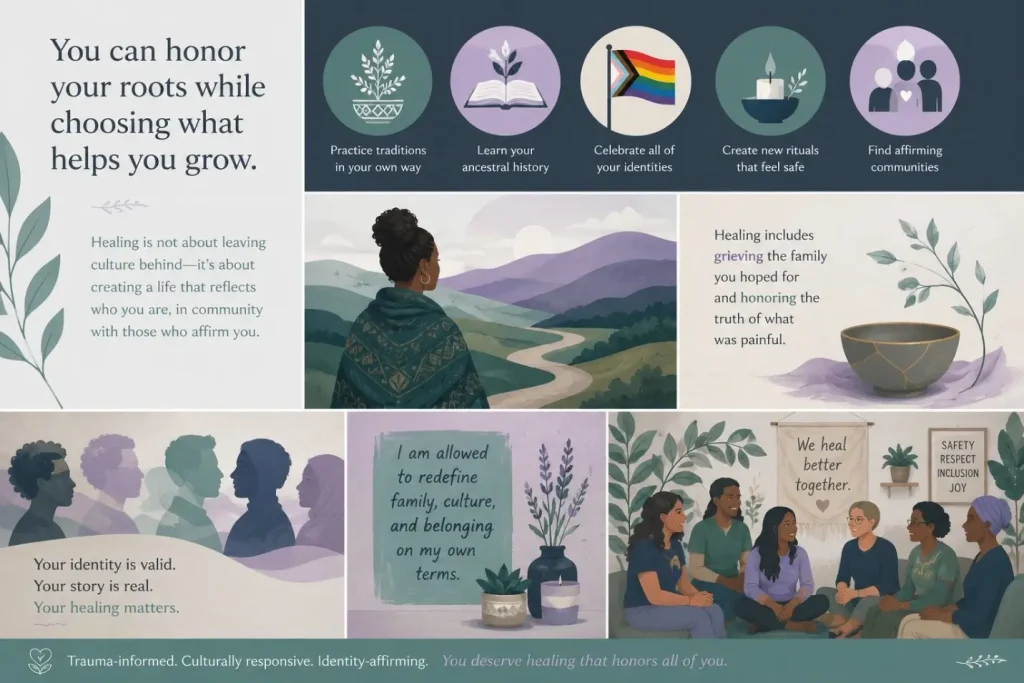
    Estrangement does not mean abandoning culture. Healing may involve redefining culture in ways that honor both heritage and individuality. This can include:

    • Practicing cultural traditions independently or with supportive community members
    • Learning ancestral history outside harmful family dynamics
    • Celebrating identity intersections openly and unapologetically
    • Creating new rituals that align with personal values and safety
    • Engaging with affirming BIPOC, LGBTQI+, neurodivergent, or disability-centered communities

    A trauma informed approach also encourages grieving the “idealized family” many hoped for while acknowledging the reality of harmful dynamics. Research involving transgender individuals demonstrates how identity invalidation within families contributes to long-term relational trauma and emotional instability (Stone et al., 2024). 
    Major holidays, weddings, funerals, and cultural gatherings can intensify emotional distress for estranged individuals. Setting boundaries during these events is not selfish it is a form of emotional protection. Helpful strategies may include:

    • Deciding beforehand what level of contact feels emotionally safe
    • Bringing a trusted support person
    • Creating an exit plan if conversations become harmful
    • Limiting exposure to triggering family members
    • Using grounding techniques before and after gatherings
    • Choosing not to attend events that compromise emotional well-being
    • Replacing painful traditions with restorative or affirming activities

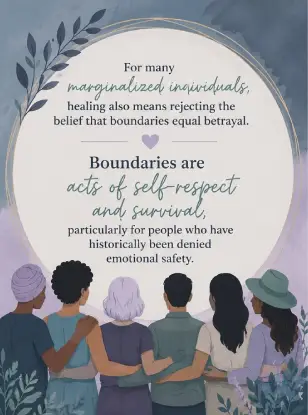
    For many marginalized individuals, healing also means rejecting the belief that boundaries equal betrayal. Boundaries are acts of self-respect and survival, particularly for people who have historically been denied emotional safety.

    Therapy can provide a supportive space to process estrangement trauma, identity conflict, cultural grief, and complex family systems while helping individuals reclaim authenticity without shame.

    To begin healing and navigating family estrangement with culturally responsive, trauma-informed support, schedule an appointment with therapist Krishana Overstreet at Mapping Resilience Therapy Center.

  • Pain and Chronic Health Conditions Are Significant Factors For Mental Wellness

    Pain and Chronic Health Conditions Are Significant Factors For Mental Wellness

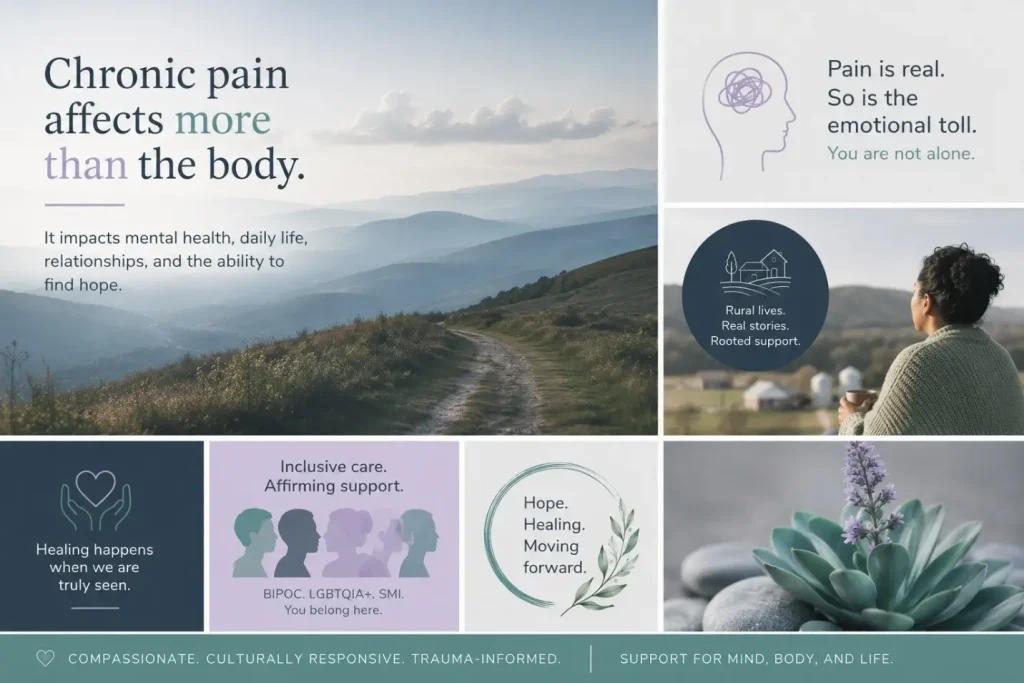
    Chronic pain and long-term health conditions can significantly impact an individual’s mental health, emotional well-being, and overall quality of life. Conditions such as fibromyalgia, diabetes, autoimmune disorders, migraines, arthritis, chronic fatigue syndrome, and neurological illnesses often affect more than physical functioning. Persistent pain can contribute to depression, anxiety, trauma responses, social isolation, sleep disturbances, and emotional exhaustion. For BIPOC, neurodivergent, LGBTQI+, serious mental illness (SMI), and rural communities, the emotional burden of chronic illness may be intensified by healthcare disparities, discrimination, stigma, and reduced access to culturally responsive care.

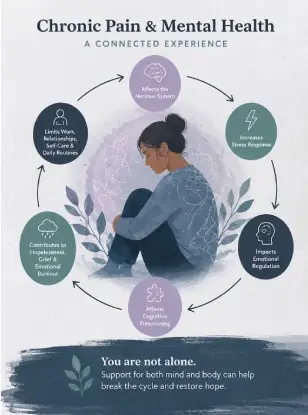
    Research consistently demonstrates a strong relationship between chronic pain and mental health disorders. According to Bair et al. (2003), individuals living with chronic pain are significantly more likely to experience depression and anxiety, with each condition often worsening the other. Chronic pain affects the nervous system, stress response, emotional regulation, and cognitive functioning, making it difficult for individuals to engage fully in work, relationships, self-care, and daily routines. Over time, repeated medical stress, uncertainty, and functional limitations can create feelings of hopelessness, grief, and emotional burnout.

    For marginalized populations, these experiences may be compounded by systemic barriers within healthcare systems. BIPOC individuals often report disparities in pain assessment and treatment, including undertreatment of pain and dismissal of symptoms. LGBTQI+ individuals may avoid medical care due to prior experiences of discrimination or identity invalidation. Neurodivergent individuals may struggle with sensory processing issues, communication differences, or difficulties navigating healthcare systems. Rural communities frequently face limited access to pain specialists, transportation challenges, and shortages of integrated behavioral healthcare services.

    Mental health counseling can play an essential role in helping individuals manage chronic pain and improve emotional resilience without relying solely on medication. Trauma-informed therapy recognizes that chronic pain is both a physical and emotional experience. Research supports the effectiveness of psychological interventions such as Cognitive Behavioral Therapy (CBT), mindfulness-based stress reduction, Acceptance and Commitment Therapy (ACT), and somatic approaches in reducing pain-related distress and improving daily functioning (Ehde et al., 2014).

    For example, CBT can help individuals identify negative thought patterns related to pain, such as catastrophizing or hopelessness, and replace them with healthier coping strategies. Mindfulness practices may assist clients in calming the nervous system, improving emotional regulation, and reducing stress-related pain flare-ups. Somatic and body-based interventions can help clients reconnect safely with their bodies after experiences of trauma, chronic illness, or medical invalidation. Counseling may also provide space for grief processing, identity adjustment, boundary-setting, and developing self-compassion.

    Studies examining integrated pain management approaches demonstrate promising outcomes. A meta-analysis by Veehof et al. (2016) found that acceptance and mindfulness-based interventions significantly improved psychological flexibility, emotional functioning, and quality of life among individuals with chronic pain conditions. Similarly, interdisciplinary treatment models that combine behavioral health, medical care, and social support have shown improved outcomes for individuals living with persistent pain and chronic illness.

    Non-medication pain management strategies supported through therapy may include stress reduction techniques, grounding exercises, pacing activities to prevent burnout, improving sleep hygiene, relaxation training, movement-based coping strategies, and strengthening social support systems. Counseling can also help individuals advocate for themselves within healthcare settings and address the emotional effects of chronic illness stigma or invalidation. Healing from chronic pain requires a whole person approach that addresses emotional health alongside physical symptoms. Individuals deserve compassionate, culturally responsive care that validates both their pain and their resilience while supporting sustainable coping strategies beyond medication alone.

  • Mental Health and SDOH: We Are A Collection Of Parts Existing In Our Environments

    Mental Health and SDOH: We Are A Collection Of Parts Existing In Our Environments

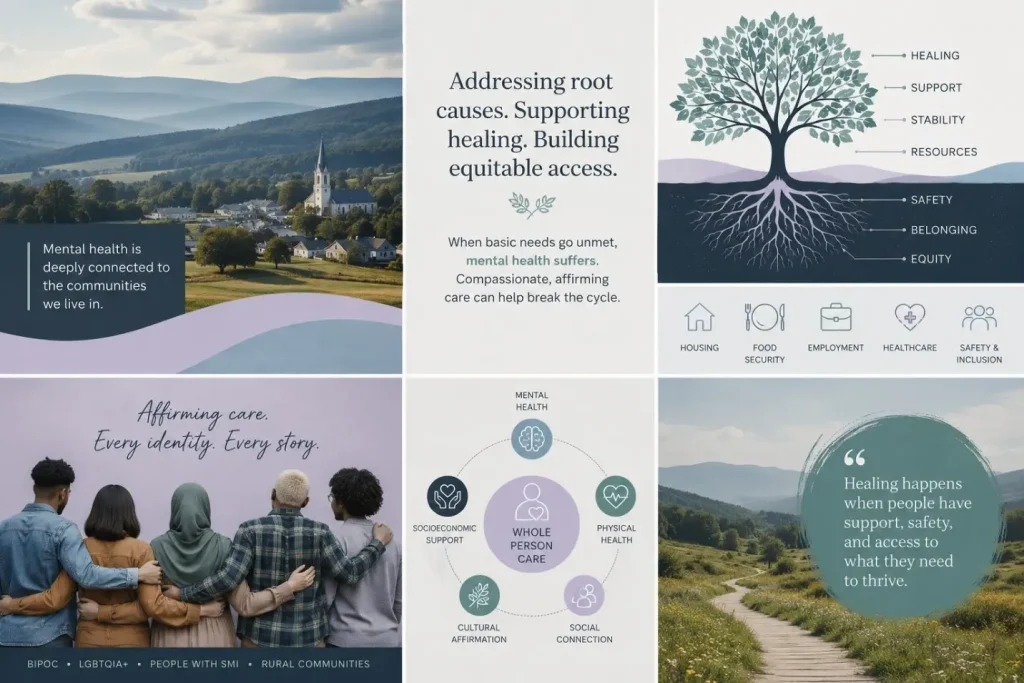
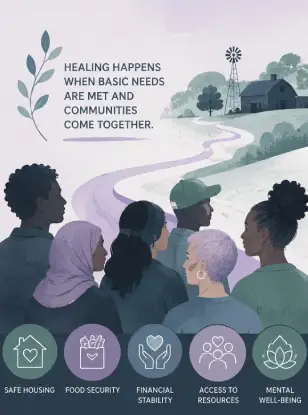
    Mental health does not exist in isolation from a person’s environment, relationships, finances, identity, or access to resources. Social Determinants of Health (SDOH) the non-medical conditions in which people are born, grow, work, live, and age play a critical role in emotional well-being and psychological functioning. When basic needs such as housing, food security, transportation, healthcare access, employment, safety, and social support remain unmet, individuals are at significantly greater risk for depression, anxiety, trauma-related disorders, substance use disorders, and serious mental illness (SMI). For BIPOC, neurodivergent, LGBTQI+, and rural communities, these disparities are often intensified by systemic inequities, discrimination, and barriers to culturally responsive care.

    Research consistently demonstrates a strong connection between unmet SDOH needs and poor mental health outcomes. According to Compton and Shim (2015), social and economic inequality contribute directly to increased psychiatric distress and reduced access to effective mental health treatment. Individuals experiencing housing instability, poverty, unemployment, or chronic discrimination are more likely to experience persistent psychological stress that can negatively affect emotional regulation, physical health, and interpersonal functioning. Chronic stress exposure may also increase the risk of trauma responses, burnout, and suicidal ideation.

    A whole-person perspective in mental health treatment recognizes that symptoms often emerge in response to overwhelming life conditions rather than solely individual pathology. Trauma-informed therapy shifts the question from “What is wrong with you?” to “What happened to you, and what barriers are impacting your well-being?” This framework is especially important for marginalized populations who frequently experience systemic oppression alongside mental health challenges. BIPOC individuals may encounter racial trauma, healthcare discrimination, and generational stress. LGBTQI+ individuals often face rejection, identity-based violence, or social isolation. Neurodivergent individuals may struggle with inaccessible educational or workplace environments, while rural communities frequently encounter limited healthcare resources and increased stigma surrounding mental health treatment.

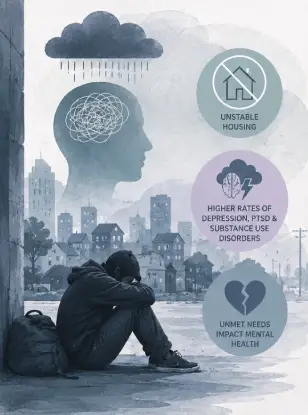
    Specific case examples further illustrate the impact of unmet social needs on mental health. Research examining homelessness and psychiatric disorders found that individuals lacking stable housing experienced significantly higher rates of depression, PTSD, and substance use disorders than housed populations (Folsom et al., 2005). Similarly, studies involving food insecurity demonstrate increased rates of anxiety and emotional distress among both adults and adolescents experiencing chronic economic hardship (Arenas et al., 2019). These findings highlight that therapy alone cannot fully address mental health symptoms when individuals continue to face unsafe living conditions, financial instability, or lack of access to basic resources.

    Whole-person mental health care integrates emotional support with advocacy, resource coordination, community connection, and culturally responsive interventions. Therapists practicing from a trauma informed lens often collaborate with medical providers, schools, housing agencies, and social service organizations to support sustainable healing. This integrative approach recognizes that wellness includes physical safety, stable relationships, economic security, affirming environments, and access to compassionate care.

    Peer reviewed research also shows that culturally responsive and community centered care improves engagement and treatment outcomes for marginalized populations (Alegría et al., 2016). When clients feel understood within the context of their lived experiences, they are more likely to remain connected to treatment and experience meaningful progress. Mental health healing requires more than symptom management; it requires addressing the environmental, relational, and systemic conditions affecting emotional well-being.

    A whole-person perspective honors the reality that mental health is deeply interconnected with social conditions, identity, trauma history, and access to support. Healing becomes more effective when therapy acknowledges the full complexity of a person’s life rather than focusing only on diagnosis or symptom reduction.

  • Artificial Intelligence and Mental Health: Imitation is the lowest form of flattery in Mental Health

    Artificial Intelligence and Mental Health: Imitation is the lowest form of flattery in Mental Health

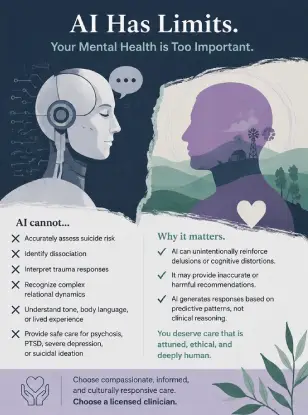
    Artificial intelligence (AI) is rapidly transforming healthcare, including the mental health field. AI-powered chatbots, virtual therapy apps, and automated emotional support platforms are increasingly marketed as convenient mental health tools. While these technologies may offer temporary support, reminders, psychoeducation, or coping suggestions, mental health experts and AI industry leaders consistently warn that artificial intelligence should never replace trained and licensed mental health professionals. For individuals navigating trauma, serious mental illness (SMI), identity-based stress, or systemic oppression, relying solely on AI for emotional care may create significant risks, especially for BIPOC, neurodivergent, LGBTQI+, and rural communities already facing disparities in healthcare access.

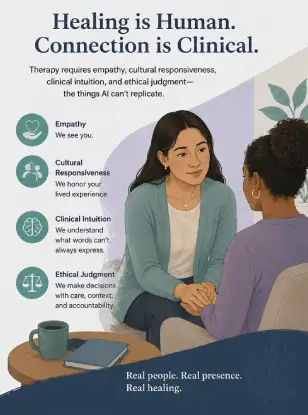
    Research indicates that AI lacks the human empathy, cultural responsiveness, ethical judgment, and clinical intuition necessary for safe therapeutic care. Unlike licensed clinicians, AI systems cannot accurately assess suicide risk, identify dissociation, interpret trauma responses, or recognize complex relational dynamics. Mental health treatment requires attunement to tone, body language, lived experience, and contextual factors that machines cannot fully understand (Luxton, 2014). Trauma informed therapy depends on trust, emotional safety, and relational healing, all of which emerge through authentic human connection rather than algorithmic interaction.

    Several case studies and public incidents have raised concerns regarding the misuse of AI as a substitute for therapy. In 2023, reports emerged of individuals experiencing worsening emotional distress after interacting with AI chatbots that provided misleading or harmful responses related to mental health crises. Mental health researchers have warned that AI systems can unintentionally reinforce delusions, validate cognitive distortions, or provide inaccurate recommendations because these systems generate responses based on predictive language patterns rather than clinical reasoning (Miner et al., 2020). This can be especially dangerous for individuals living with psychosis, severe depression, PTSD, or suicidal ideation.

    Even leaders within the AI industry acknowledge these limitations. Executives and developers connected to major artificial intelligence platforms have repeatedly stated that AI tools are not replacements for licensed therapists, psychiatrists, or crisis professionals. Companies developing conversational AI often include disclaimers advising users to seek qualified mental health care during emotional crises or when experiencing persistent symptoms. These warnings reflect growing ethical concerns about overreliance on technology for psychological support.

    For marginalized populations, the dangers may be amplified. BIPOC and LGBTQI+ individuals frequently navigate racism, discrimination, religious trauma, and identity-based stressors that require culturally informed therapeutic interventions. Neurodivergent individuals may need nuanced support related to sensory regulation, masking, executive functioning, or communication styles that AI cannot appropriately tailor to lived experiences. Rural communities also face unique challenges involving isolation, healthcare shortages, and stigma, making access to authentic human support even more essential.

    Peer-reviewed research further emphasizes that therapeutic alliance the trusting relationship between therapist and client is one of the strongest predictors of successful treatment outcomes (Flückiger et al., 2018). AI cannot replicate the emotional reciprocity, accountability, or relational repair that occur within psychotherapy. While digital tools may complement treatment through symptom tracking or psychoeducation, they should function only as supplemental supports under the guidance of qualified clinicians.

    Mental health healing requires compassion, ethical responsibility, clinical expertise, and human connection. Artificial intelligence may provide convenience, but it cannot replace trauma-informed therapy delivered by trained professionals who understand the complexity of human suffering, resilience, culture, and identity. Individuals deserve mental health care grounded in safety, dignity, cultural humility, and evidence-based practice rather than dependence on automated systems.

  • Medication Only Mental Health: The Limits of Medication Only Approach to Long Term Mental Health Wellness

    Medication Only Mental Health: The Limits of Medication Only Approach to Long Term Mental Health Wellness

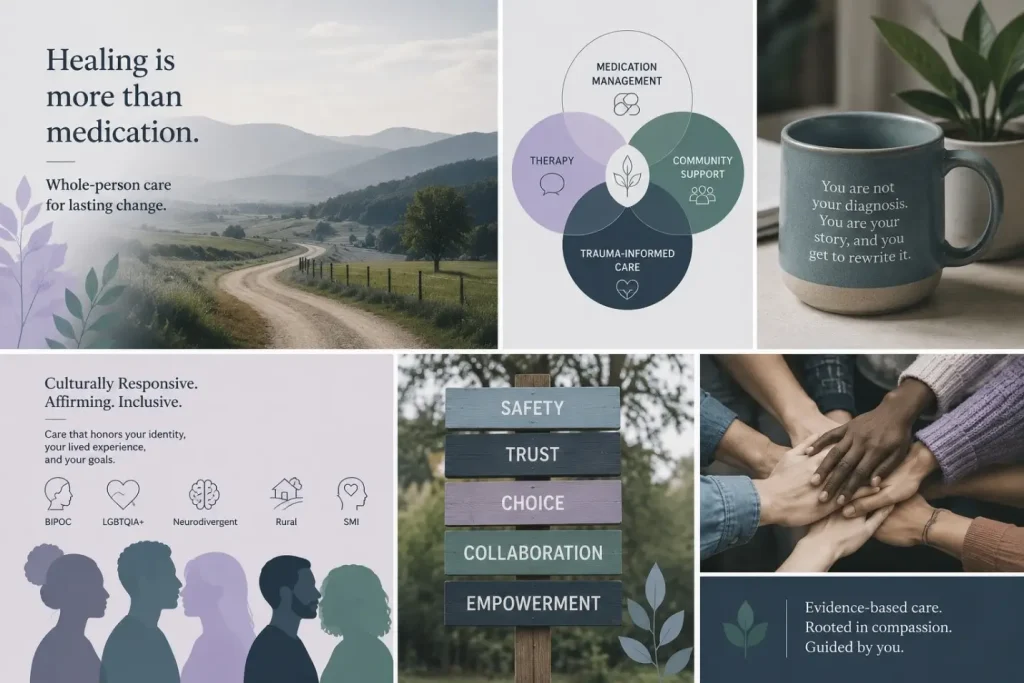
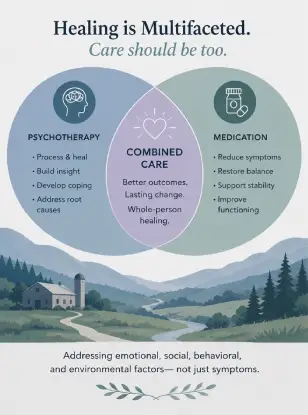
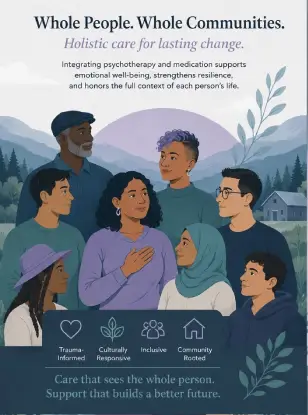
    Mental health disorders are complex, multifaceted conditions that often require more than medication alone for sustainable healing. While psychiatric medications can reduce symptoms of depression, anxiety, bipolar disorder, post-traumatic stress disorder (PTSD), and other serious mental illnesses (SMI), research consistently demonstrates that long term recovery outcomes improve when therapy, community support, and trauma-informed care are integrated into treatment plans. For BIPOC, neurodivergent, LGBTQI+, and rural communities, culturally responsive psychotherapy can be especially critical in addressing systemic barriers, chronic stress, discrimination, and untreated trauma.

    Research supports the effectiveness of combining psychotherapy with medication rather than relying solely on pharmacological interventions. A meta-analysis by Karyotaki et al. (2016) found that individuals receiving combined psychotherapy and medication treatment for major depression experienced better long-term outcomes than those receiving medication alone. Similarly, De Jonghe et al. (2018) reported that psychotherapy can be equally effective or more beneficial when integrated with medication management for depressive disorders. These findings reinforce the importance of holistic mental health care that addresses emotional, social, behavioral, and environmental factors rather than only symptom suppression.

    For individuals living with trauma, medication may reduce immediate symptoms such as insomnia, panic, or mood instability, but it does not always resolve the underlying psychological wounds connected to adverse life experiences. Trauma-informed therapy helps clients process experiences of racism, poverty, gender discrimination, family violence, religious trauma, or identity-based oppression. This approach is particularly important for LGBTQI+ individuals and BIPOC communities who may have experienced historical or systemic trauma within healthcare systems.

    Case studies involving integrated care models also demonstrate improved outcomes among individuals with co-occurring disorders. In one randomized clinical trial, patients with serious psychiatric illnesses who received integrated behavioral and medical care reported improved quality of life and greater treatment engagement compared to those receiving standard care alone (Druss et al., 2001). Likewise, research examining obsessive compulsive disorder showed significantly lower relapse rates among participants who combined psychotherapy with medication compared to medication only treatment (Biondi & Picardi, 2005).

    For neurodivergent individuals, including autistic adults and people with ADHD, therapy can provide tools for emotional regulation, sensory processing support, executive functioning, and identity affirmation that medication alone may not fully address. Rural communities also benefit from psychotherapy because barriers such as stigma, transportation limitations, and reduced access to mental health specialists can contribute to long-term isolation and untreated trauma. Telehealth and trauma-informed private practices help bridge these gaps by creating safer and more accessible pathways to care. Mental health recovery is not one-size-fits-all. Effective treatment often includes psychotherapy, medication management when appropriate, peer support, lifestyle interventions, and culturally affirming care. A trauma informed approach recognizes that symptoms frequently develop as adaptive responses to overwhelming experiences rather than personal failures. Healing occurs when individuals feel seen, validated, empowered, and supported in the context of their lived experiences.

  • Disability Awareness Month: Reducing Ableism and Advancing Trauma Informed, Neurodivergent Affirming Mental Health Care

    Disability Awareness Month: Reducing Ableism and Advancing Trauma Informed, Neurodivergent Affirming Mental Health Care

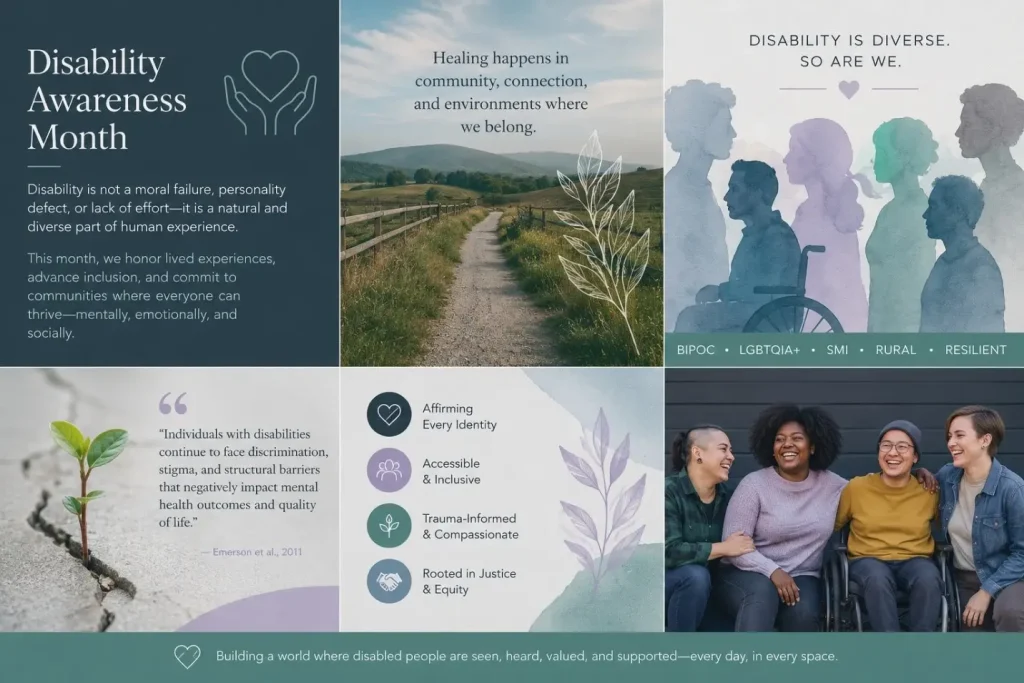
    December is recognized as Disability Awareness Month, a time to highlight the lived experiences, rights, and resilience of disabled individuals while also addressing the ongoing impact of ableism in healthcare, education, employment, and everyday social systems. Disability is not a moral failure, personality defect, or lack of effort it is a natural and diverse part of human experience. Yet research consistently shows that individuals with disabilities continue to face discrimination, stigma, and structural barriers that negatively impact mental health outcomes and quality of life (Emerson et al., 2011).

    At Mapping Resilience Therapy Center, therapist Krishana Overstreet provides trauma-informed, culturally responsive care for BIPOC, LGBTQI+, neurodivergent, severely mentally ill (SMI), rural, and disabled communities. Krishana’s clinical work is grounded in the belief that disability justice and mental health equity are inseparable. Her practice was intentionally created to reduce barriers to affirming care and support individuals who are often misunderstood or excluded from traditional systems of mental health treatment.

    Ableism is defined as discrimination or social prejudice against people with disabilities. Like all “isms”, it can be both overt and covert. It may appear in healthcare settings through diagnostic overshadowing (where symptoms are attributed solely to disability rather than treating co-occurring conditions), dismissive communication, lack of accessibility accommodations, or assumptions that disabled individuals are less capable or less autonomous. Research indicates that ableism contributes significantly to poorer mental health outcomes, increased stress, and reduced access to adequate care (Bogart & Dunn, 2019).

    For example, a neurodivergent Black autistic adult seeking therapy for trauma may encounter clinicians who minimize sensory distress or fail to recognize how racism and ableism intersect in their lived experience. A Deaf LGBTQ+ client may struggle to find affirming providers with accessible communication methods. A rural individual with chronic illness may face compounded barriers due to geographic isolation, limited transportation, and a lack of disability informed clinicians. These examples highlight how disability justice must also consider race, sexuality, gender identity, geography, and socioeconomic status.

    A disability affirming world benefits everyone not only disabled individuals. Universal Design principles demonstrate that accessibility improvements such as captioning, ramps, sensory friendly environments, flexible communication methods, and telehealth services enhance usability for all people, including caregivers, aging populations, parents, and individuals with temporary injuries (Story et al., 1998). In other words, accessibility is not special accommodation it is good design.

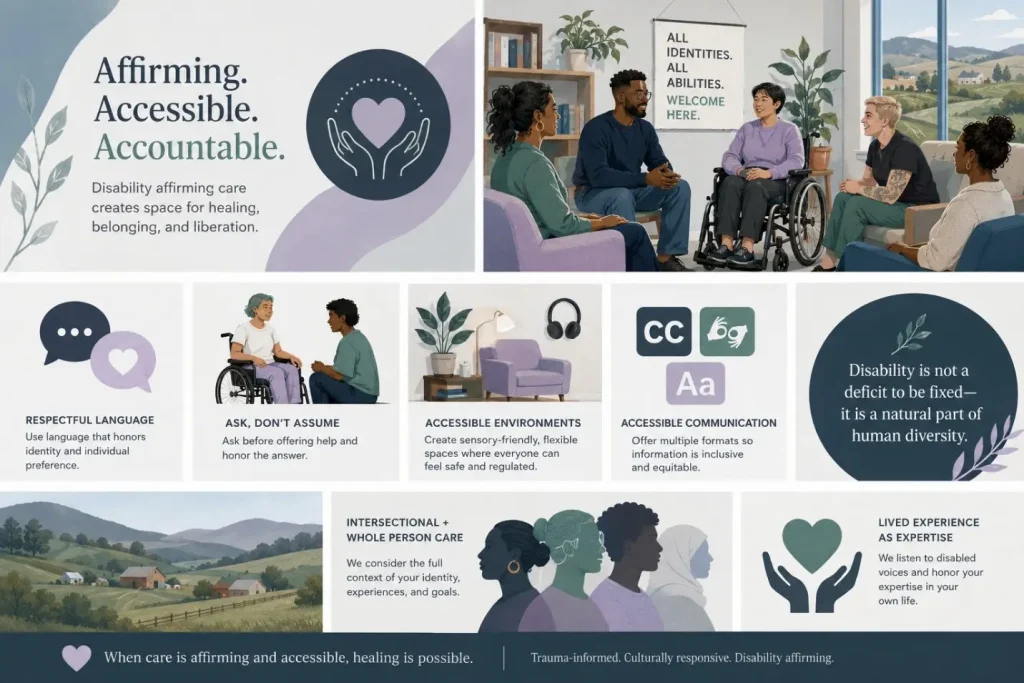
    Reducing ableism requires intentional action in both personal and professional spaces. Evidence-based strategies include:

    • Using identity-first or person-first language based on individual preference
    • Avoiding assumptions about capability, intelligence, or independence
    • Asking before offering help rather than assuming incapacity
    • Incorporating sensory-friendly and flexible environments in clinical settings
    • Ensuring accessible communication formats (text, captions, ASL interpretation when possible)
    • Recognizing disability as identity rather than deficit
    • Addressing intersectionality in treatment planning (race, gender, sexuality, neurodivergence)
    • Listening to disabled voices and lived experience as expertise

    In clinical practice, disability affirming care aligns closely with trauma informed care. Many disabled individuals experience “secondary trauma” from repeated invalidation, medical neglect, institutional barriers, or coercive treatment experiences. Studies show that when providers adopt affirming, collaborative, and accessible approaches, clients report higher satisfaction, improved engagement, and better mental health outcomes (Bogart & Dunn, 2019).

    Case Example #1

    A rural disabled veteran receiving telehealth therapy with sensory accommodations reports reduced anxiety and improved trust in healthcare.

    Case Example #2

    A neurodivergent teen in an affirming therapeutic environment learns emotional regulation strategies without being pathologized.

    Case Example #3

    A wheelchair user in culturally responsive therapy feels empowered to advocate for workplace accessibility without shame.

    Ultimately, disability awareness is not about awareness alone it is about action, equity, and systemic change. A disability affirming world is not only more just; it is more functional, humane, and supportive for all people. To begin trauma informed, disability affirming, and culturally responsive mental health care, schedule an appointment with therapist Krishana Overstreet at Mapping Resilience Therapy Center.
  • National Caregiving Month: Caregiver Mental Health Is Essential to Sustainable, Trauma Informed Care

    National Caregiving Month: Caregiver Mental Health Is Essential to Sustainable, Trauma Informed Care

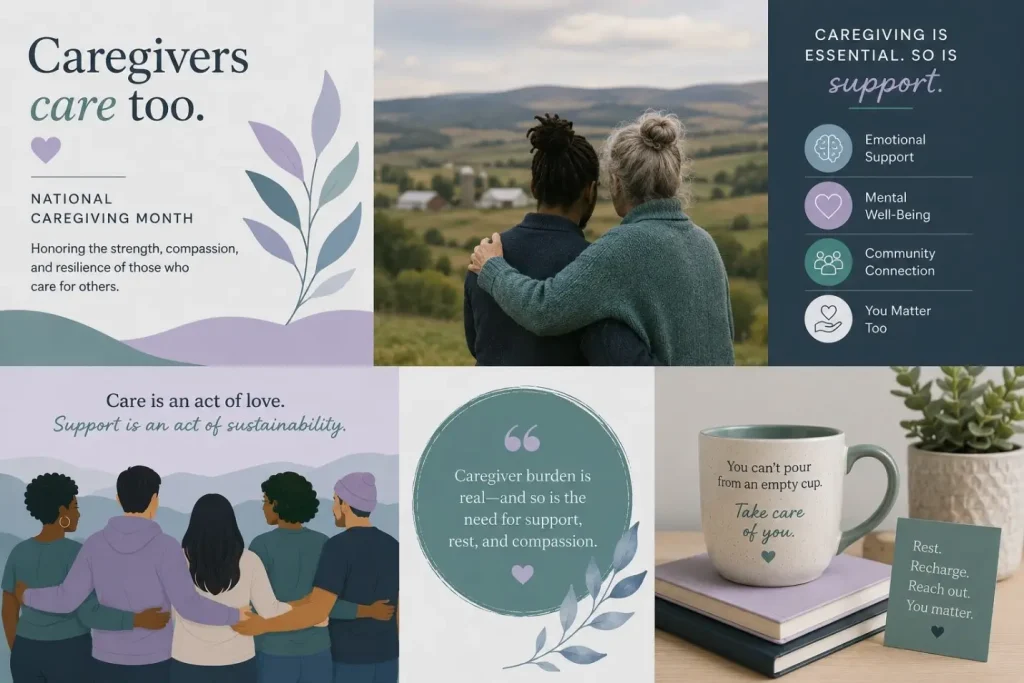
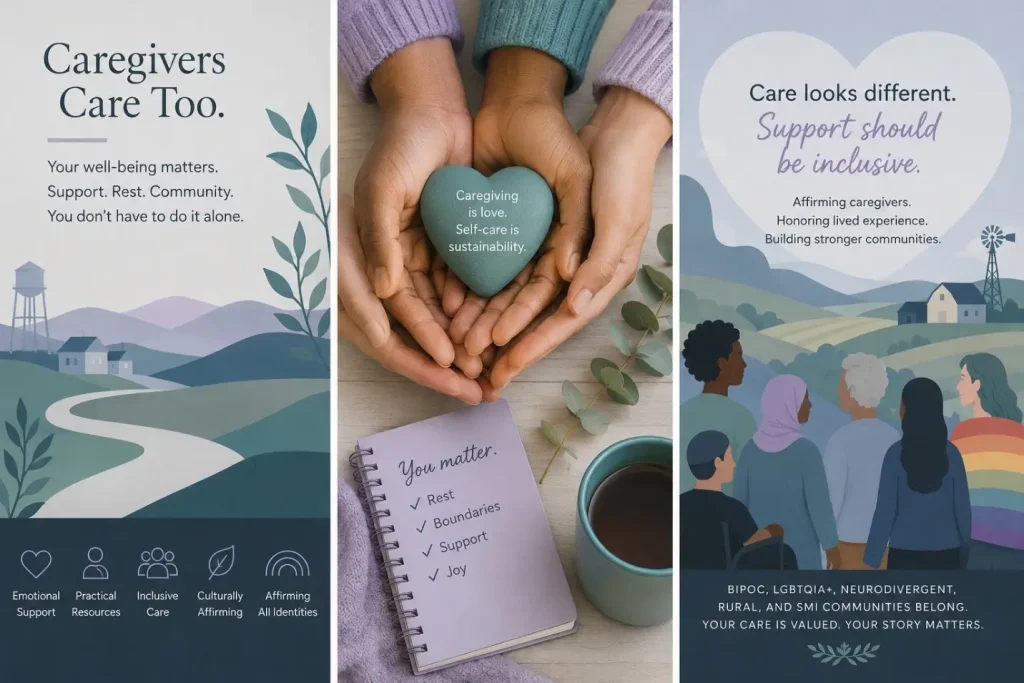
    National Caregiving Month recognizes the millions of unpaid and professional caregivers who provide essential physical, emotional, and psychological support to individuals with chronic illness, disability, aging-related needs, severe mental illness (SMI), and developmental or neurodivergent conditions. While caregiving is often framed as an act of love and duty, research consistently shows that caregivers especially those from BIPOC, LGBTQI+, neurodivergent, and rural communities face significantly elevated risks of burnout, depression, anxiety, and trauma-related stress (Schulz & Sherwood, 2008).

    At Mapping Resilience Therapy Center, therapist Krishana Overstreet emphasizes that caregiver mental health is not separate from caregiving responsibilities it is a critical component of sustainable, ethical, and trauma-informed care. Krishana founded her practice with a commitment to improving access to culturally responsive mental health services for marginalized communities, recognizing that caregiving burdens are often intensified by systemic inequities, limited healthcare access, and identity-based stress.

    Caregivers frequently experience what researchers call “caregiver burden,” a multidimensional stress response that includes emotional exhaustion, physical fatigue, financial strain, and social isolation. According to Adelman et al. (2014), caregivers of individuals with chronic illness or cognitive impairment are at increased risk for depression and anxiety compared to non-caregivers, particularly when support systems are limited or culturally mismatched.

    For example, a Black mother caring for an autistic child in a rural community may experience chronic stress due to limited access to neurodivergent-affirming providers, compounded by racial disparities in healthcare and geographic isolation. A queer adult caring for a partner with severe mental illness may experience emotional burnout while navigating stigma from both family systems and medical institutions. A neurodivergent caregiver supporting an aging parent may struggle with sensory overload, executive functioning demands, and emotional regulation challenges, all while prioritizing the needs of others.

    These examples illustrate a key clinical truth: caregiving stress does not exist in isolation. It is deeply shaped by systemic oppression, access to resources, and identity-based experiences. Research shows that caregivers from marginalized communities often underutilize mental health services due to stigma, lack of culturally responsive providers, and mistrust of healthcare systems (Pinquart & Sörensen, 2011).

    Trauma-informed caregiving care emphasizes that caregivers must be supported as whole individuals—not just as extensions of those they care for. When caregivers neglect their own mental health, the risk of burnout increases significantly, often leading to emotional withdrawal, resentment, compassion fatigue, and decreased quality of care.

    Protective strategies for caregiver mental health include:

    • Establishing consistent emotional and physical boundaries
    • Accessing culturally responsive therapy and peer support groups
    • Scheduling intentional rest and recovery time
    • Practicing self-regulation techniques (grounding, mindfulness, sensory breaks)
    • Seeking respite care or shared caregiving responsibilities
    • Addressing grief, guilt, and identity conflict in therapy
    • Rebuilding identity outside of caregiving roles

    Importantly, caregiver self-care is not indulgent it is clinically essential. Studies show that caregiver well-being directly impacts the physical and emotional health outcomes of care recipients (Schulz & Sherwood, 2008). In other words, supporting caregivers improves entire systems of care.

    At Mapping Resilience Therapy Center, caregiver support is rooted in culturally responsive and trauma-informed frameworks that honor intersectional identity. Caregivers are not expected to separate their identities from their roles; instead, therapy explores how race, disability, neurodivergence, sexuality, geography, and cultural expectations shape caregiving experiences.

    Caregiving Month is an opportunity to reframe caregiving from self-sacrifice to sustainable care. Supporting caregivers means recognizing their humanity, emotional needs, and right to receive care in return. To begin therapy focused on caregiver burnout, trauma-informed support, and culturally responsive mental health care, schedule an appointment with therapist Krishana Overstreet at Mapping Resilience Therapy Center.
  • Mental Health Parity Month: Expanding Access to the Right Mental Health Care for Every Community

    Mental Health Parity Month: Expanding Access to the Right Mental Health Care for Every Community

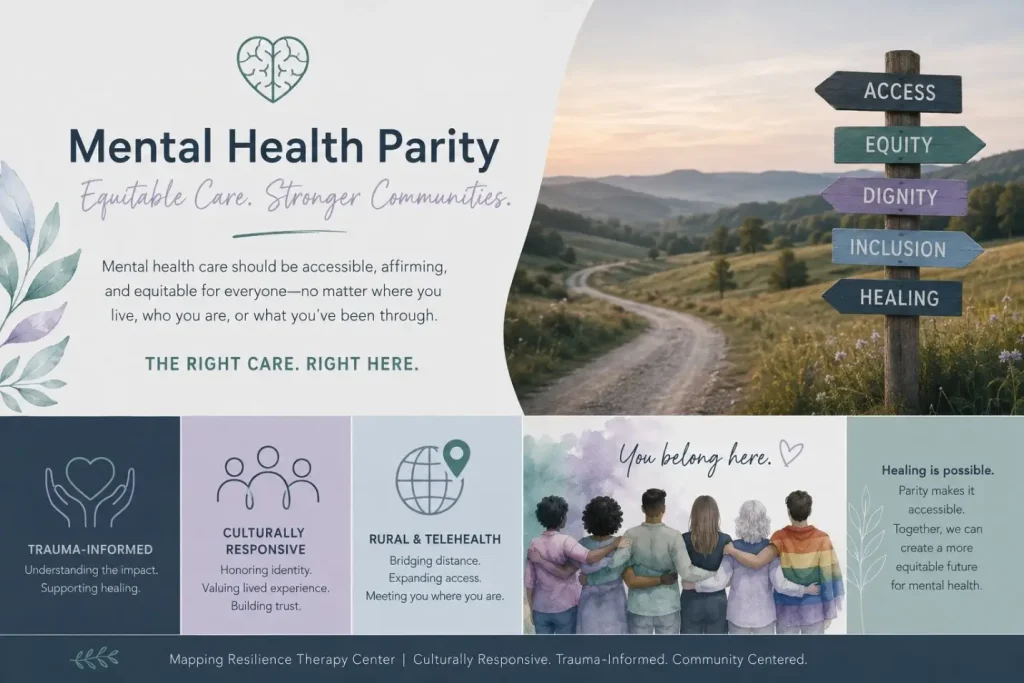
    October is recognized as Mental Health Parity Month, a time dedicated to raising awareness about equitable access to mental health care and advocating for equal treatment of mental health conditions within healthcare systems. Mental health parity means that mental health and substance use treatment should be covered and prioritized at the same level as physical health care. While legislation such as the Mental Health Parity and Addiction Equity Act (MHPAEA) has increased protections for consumers, many marginalized individuals continue to experience barriers to receiving quality, affirming, and accessible mental health treatment.

    For therapist Krishana Overstreet, founder of Mapping Resilience Therapy Center, mental health parity is more than a policy issue it is the foundation of her professional mission. Krishana began her practice with the specific goal of improving access to culturally responsive, trauma-informed mental health care for underserved populations, including BIPOC, LGBTQI+, neurodivergent, severely mentally ill (SMI), and rural communities. Inspired by a former employer’s phrase, “The right care, right here,” Krishana has dedicated her career to ensuring individuals can access qualified and well-trained clinicians regardless of geographic location, identity, or systemic barriers.

    Research consistently demonstrates that marginalized communities experience disparities in mental health treatment access, provider quality, and clinical outcomes. Racial and ethnic minority populations are less likely to receive mental health treatment and more likely to terminate therapy early due to mistrust, stigma, and culturally unresponsive care (McGuire & Miranda, 2008). LGBTQ+ individuals similarly face elevated rates of anxiety, depression, trauma, and suicidal ideation while often struggling to locate affirming providers who understand identity-based stressors and discrimination (Kattari et al., 2020).

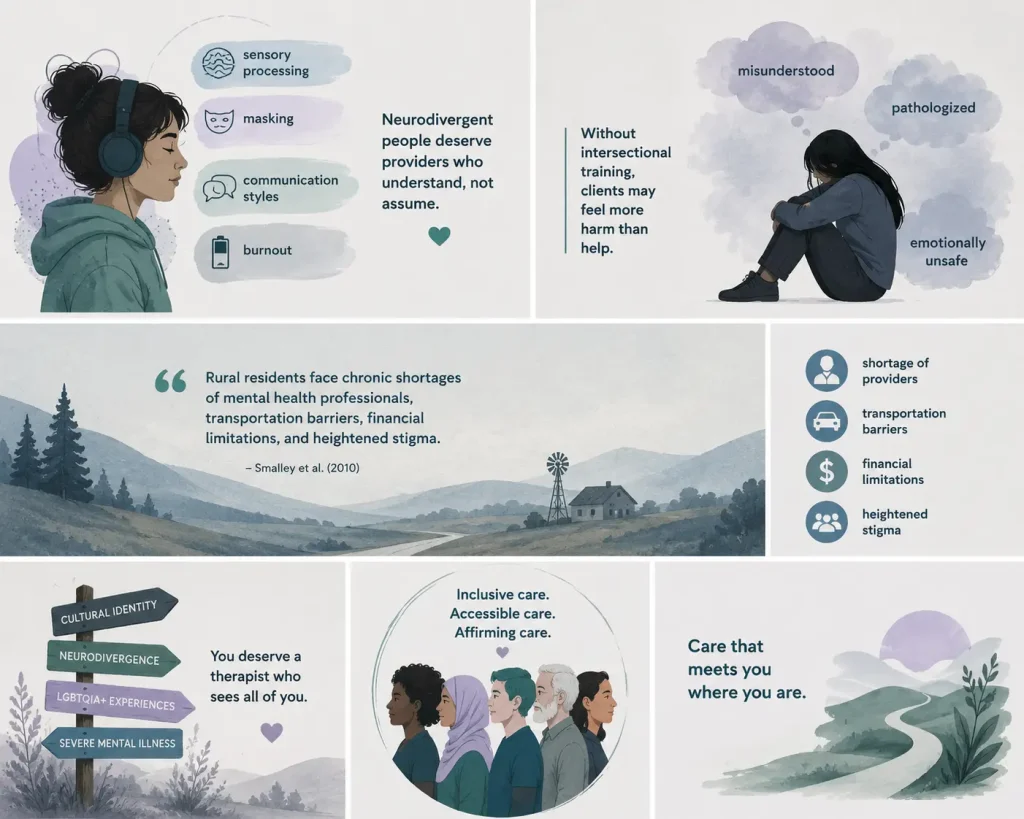
    Neurodivergent individuals also face significant barriers to effective treatment. Autistic adults, for example, frequently report negative healthcare experiences due to clinicians lacking knowledge about sensory processing differences, masking, communication styles, and burnout. When mental health providers are not adequately trained in intersectional care, clients may feel misunderstood, pathologized, or emotionally unsafe.

    The disparities become even more pronounced in rural communities. According to Smalley et al. (2010), rural residents face chronic shortages of mental health professionals, transportation barriers, financial limitations, and heightened stigma surrounding therapy and psychiatric care. Individuals living in rural communities may travel hours to access specialized care or go without treatment entirely. For marginalized individuals living in these areas, finding a therapist who understands cultural identity, neurodivergence, LGBTQI+ experiences, or severe mental illness can feel nearly impossible.

    Consider the experience of a queer Black college student living in a rural community who seeks therapy for anxiety and trauma related to racism and family rejection. Despite having insurance coverage, they may struggle to find a therapist trained in both racial trauma and LGBTQI+ affirming care. Similarly, an autistic adult with PTSD may encounter clinicians who misinterpret sensory overload or shutdowns as noncompliance rather than trauma responses. These experiences highlight that mental health parity is not only about insurance coverage it is about meaningful access to competent, affirming, and trauma-informed treatment.

    Culturally responsive therapy recognizes that emotional distress often develops within broader systems of oppression, discrimination, and chronic stress. Research indicates that culturally humble and identity-affirming therapeutic relationships improve engagement, trust, and treatment outcomes among marginalized populations (Hook et al., 2016). Trauma-informed clinicians acknowledge the impact of racism, ableism, homophobia, transphobia, poverty, religious trauma, and systemic inequities while helping clients build resilience and emotional safety.

    At Mapping Resilience Therapy Center, the focus is on creating affirming therapeutic spaces where clients do not have to educate their therapist about their lived experiences. This includes providing support for:

    • Complex trauma and PTSD
    • Neurodivergent burnout and masking
    • Racial and identity-based trauma
    • LGBTQI+ identity exploration and affirmation
    • Severe mental illness and emotional regulation
    • Family estrangement and relational trauma
    • Rural mental health challenges and isolation

    Mental Health Parity Month reminds us that everyone deserves access to “the right care, right here.” True mental health equity means ensuring that quality care is accessible, affirming, trauma-informed, and culturally responsive for all individuals not only those living in urban areas or dominant communities. If you are searching for compassionate, culturally informed therapy that honors your full identity and lived experience, schedule an appointment with therapist Krishana Overstreet at Mapping Resilience Therapy Center.
  • Suicide Prevention Month: The Importance of Culturally Responsive Mental Health Care for Marginalized Communities

    Suicide Prevention Month: The Importance of Culturally Responsive Mental Health Care for Marginalized Communities

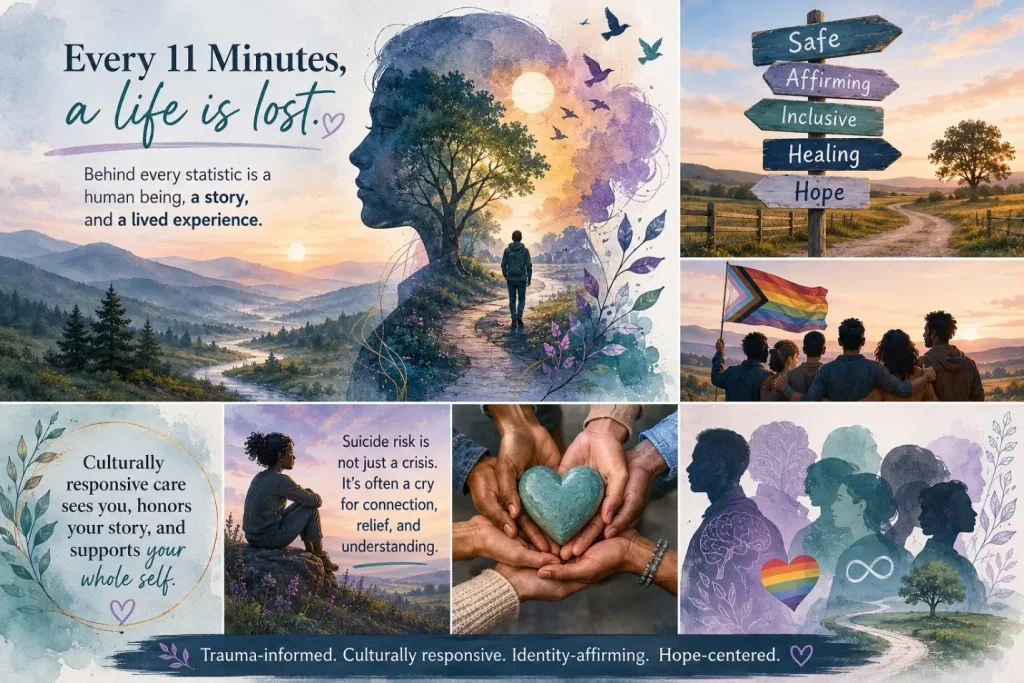
    September is Suicide Prevention Month, a time dedicated to increasing awareness, reducing stigma, and promoting life-saving mental health support. For therapist Krishana Overstreet, suicide prevention is not simply a professional focus it is a deeply rooted passion grounded in advocacy, culturally responsive care, and trauma-informed healing for marginalized communities. At Mapping Resilience Therapy Center, the commitment to suicide prevention includes supporting BIPOC, LGBTQI+, neurodivergent, severely mentally ill (SMI), and rural individuals who often face unique barriers to emotional safety and mental health treatment.

    According to the Centers for Disease Control and Prevention (CDC), more than 49,000 people in the United States died by suicide in 2023, equating to one death every 11 minutes. Suicide rates continue to disproportionately impact individuals who experience discrimination, isolation, poverty, identity invalidation, trauma, and barriers to affirming care. 

    Research consistently demonstrates that marginalized populations are at increased risk for suicidal ideation and suicide attempts. LGBTQ+ individuals, particularly transgender and nonbinary BIPOC individuals, experience significantly higher rates of suicidal thoughts due to chronic identity invalidation and systemic oppression (Gamio Cuervo & Del Rio, 2025). Similarly, autistic and gender-diverse individuals experience elevated rates of suicidal behaviors, particularly when masking, social rejection, and discrimination are present. 

    For many clients, suicide risk does not develop in isolation—it often emerges from cumulative trauma and unmet emotional needs. A rural LGBTQ+ teen may struggle with isolation and fear of rejection in an unsupportive environment. A Black adult with severe depression may avoid treatment due to historical mistrust of healthcare systems and stigma within their community. An autistic individual experiencing chronic burnout may internalize feelings of hopelessness after years of masking and misunderstanding. These lived experiences highlight why culturally informed and trauma-responsive mental health care is essential.

    The CDC also reports that people living in rural communities experience higher suicide rates than those in urban areas, often due to reduced access to healthcare, social isolation, and economic stressors. Additionally, individuals with serious mental illness frequently experience loneliness and disconnection, both of which are strongly associated with suicide risk. 

    Culturally responsive suicide prevention involves more than crisis intervention. It requires clinicians to understand how racism, ableism, homophobia, transphobia, poverty, and systemic oppression influence mental health symptoms and help-seeking behaviors. Trauma-informed therapists create emotionally safe spaces where clients can process shame, grief, identity conflict, suicidal thoughts, and hopelessness without fear of judgment or pathologizing.

    Protective factors that reduce suicide risk may include:

    • Building affirming community connections
    • Developing emotional regulation and coping skills
    • Accessing culturally responsive therapy
    • Reducing isolation through support systems
    • Learning boundary-setting and self-advocacy
    • Creating identity-affirming environments
    • Strengthening hope, belonging, and purpose

    Suicide prevention also includes having difficult conversations openly and compassionately. Seeking support is not weakness it is an act of survival and courage. If you or someone you love is struggling with suicidal thoughts, depression, trauma, or emotional overwhelm, compassionate support is available. Schedule an appointment with therapist Krishana Overstreet at Mapping Resilience Therapy Center for culturally responsive, trauma-informed mental health care tailored to your lived experiences.

  • Minority Mental Health Month: Why Culturally Responsive Mental Health Care Matters

    Minority Mental Health Month: Why Culturally Responsive Mental Health Care Matters

    July is recognized as Minority Mental Health Month, a time dedicated to increasing awareness of the unique mental health challenges faced by historically marginalized communities. For many BIPOC, LGBTQI+, neurodivergent, severely mentally ill (SMI), and rural individuals, accessing quality mental health care involves more than simply finding a therapist—it requires finding a clinician who understands the complex intersections of identity, trauma, culture, systemic oppression, and lived experience.

    Research consistently demonstrates that culturally informed and culturally responsive mental health treatment improves therapeutic trust, engagement, and long-term mental health outcomes (Hook et al., 2016). Culturally responsive care acknowledges that factors such as racism, discrimination, ableism, homophobia, transphobia, poverty, religious trauma, and geographic isolation can deeply impact emotional well-being. Therapy that ignores these realities may unintentionally invalidate clients’ experiences or reinforce harm.

    For example, a Black autistic adult may experience chronic burnout related to masking neurodivergence while simultaneously navigating racial microaggressions in educational or workplace environments. Similarly, a transgender person living in a rural community may face barriers to affirming healthcare, social isolation, and increased anxiety due to fear of rejection or discrimination. Trauma-informed therapy recognizes that mental health symptoms often develop within broader social and systemic contexts rather than existing in isolation.

    Studies have found that minority populations are significantly less likely to receive adequate mental health treatment due to stigma, mistrust of healthcare systems, lack of representation, and financial or geographic barriers (Alegría et al., 2018). Additionally, culturally marginalized individuals frequently report feeling misunderstood or pathologized by providers who lack awareness of their identities and experiences.

    Culturally responsive therapy goes beyond “cultural competence.” It involves ongoing self-reflection, humility, anti-oppressive practices, and recognition of clients as experts in their own lived experiences. Therapists who provide affirming care understand that identity impacts communication styles, family systems, coping mechanisms, spirituality, trauma responses, and emotional safety.

    A trauma-informed and culturally affirming therapist may help clients:

    • Process racial, religious, or identity-based trauma
    • Explore intersectional identities without shame
    • Navigate family rejection or cultural conflict
    • Develop self-advocacy and boundaries
    • Reduce masking and burnout in neurodivergent individuals
    • Build resilience within oppressive systems
    • Access community support and affirming resources

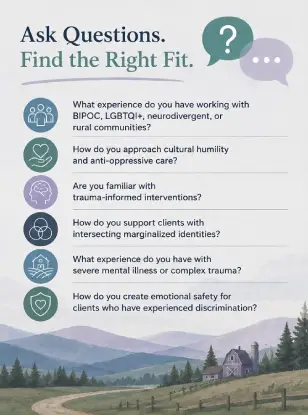
    When seeking a qualified therapist, individuals should consider asking questions that address all aspects of their identity and care needs. Helpful questions may include:

    • What experience do you have working with BIPOC, LGBTQI+, neurodivergent, or rural communities?
    • How do you approach cultural humility and anti-oppressive care?
    • Are you familiar with trauma-informed interventions?
    • How do you support clients with intersecting marginalized identities?
    • What experience do you have with severe mental illness or complex trauma?
    • How do you create emotional safety for clients who have experienced discrimination?

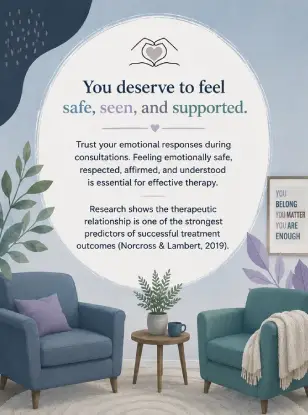
    Individuals should also trust their emotional responses during consultations. Feeling emotionally safe, respected, affirmed, and understood is essential for effective therapy. Research suggests that the therapeutic relationship itself is one of the strongest predictors of successful treatment outcomes (Norcross & Lambert, 2019).

    Minority Mental Health Month reminds us that healing cannot occur fully without culturally responsive support. Every individual deserves mental health care that honors their full identity, lived experience, and humanity.

    Please remember that therapy is a personal choice and a deeply personal journey. If you do not think that Krishana is right for you please seek out other options at these other websites:

    Black Therapists Matter https://www.blacktherapistsmatter.com

    LatinxTherapy https://latinxtherapy.com

    Or filter by your preferred therapist cultural identity on other therapy platforms such as Grow or SonderMind To begin therapy with culturally informed, trauma-responsive care, schedule an appointment with therapist Krishana Overstreet at Mapping Resilience Therapy Center.

Safe Exit

If you think someone is monitoring your devices, visit this website from a computer, tablet, or smartphone that isn’t being monitored.

Exit this website quickly with the ‘Safe Exit’ button in the upper right corner, and then delete it from your browser history.